
Gynochthodes officinalis
Gynochthodes officinalis (F. C. How) Razafim. & B. Bremer
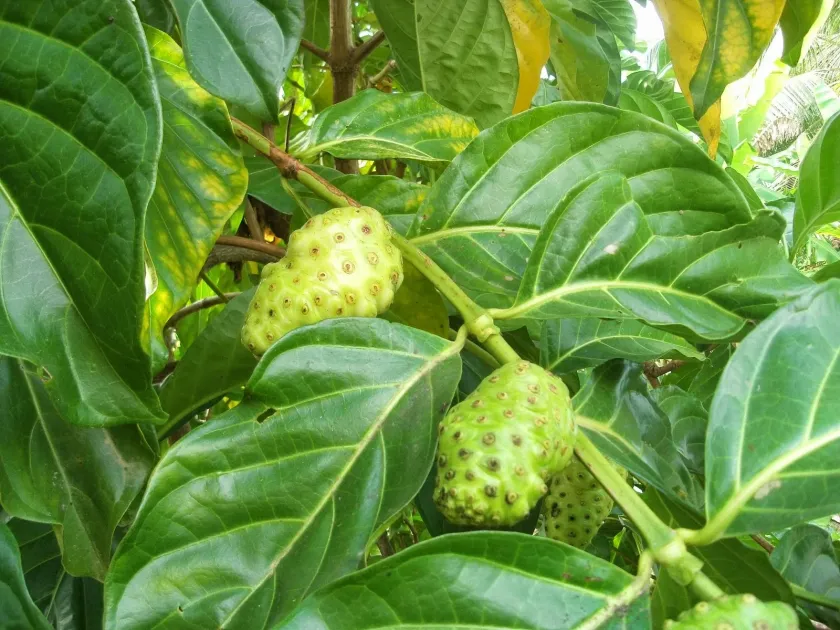
Description
Growing requirements
Gynochthodes officinalis is a perennial climbing species belonging to the Rubiaceae family. It is natively found in the tropical forest regions of Asia.
The crop thrives in warm, humid climates. It requires consistent ambient temperatures and protection from cold winds to maintain healthy vegetative growth.
Ideal soil conditions for this plant are well-drained, nutrient-rich, and slightly acidic. The presence of organic matter significantly promotes root development and overall plant vigor.
Agricultural management requires the provision of vertical support structures. As a climbing plant, Gynochthodes requires trellising to optimize canopy exposure to light.
Water management is critical; while the plant enjoys humidity, waterlogging must be avoided to prevent root diseases which are common in poorly drained soil types.
Harvesting
The primary agricultural output from this crop is its roots, which are harvested for their pharmacological properties and use in traditional and modern medicine.
Harvesting is performed by carefully excavating the root system after the plant has reached physiological maturity. Manual removal is preferred to avoid damage to the root tissues.
After collection, the roots undergo thorough cleaning and processing. Controlled drying is essential to prevent degradation of the active chemical compounds found in the bark of the roots.
Yield is measured by the total biomass of the dried roots produced per hectare. Proper spacing between plants during the sowing phase helps in maximizing individual root development.
The extracted components from Gynochthodes are utilized in pharmaceutical production, primarily focusing on anti-inflammatory and supportive therapeutic applications.