
Galium tenuissimum
Galium tenuissimum
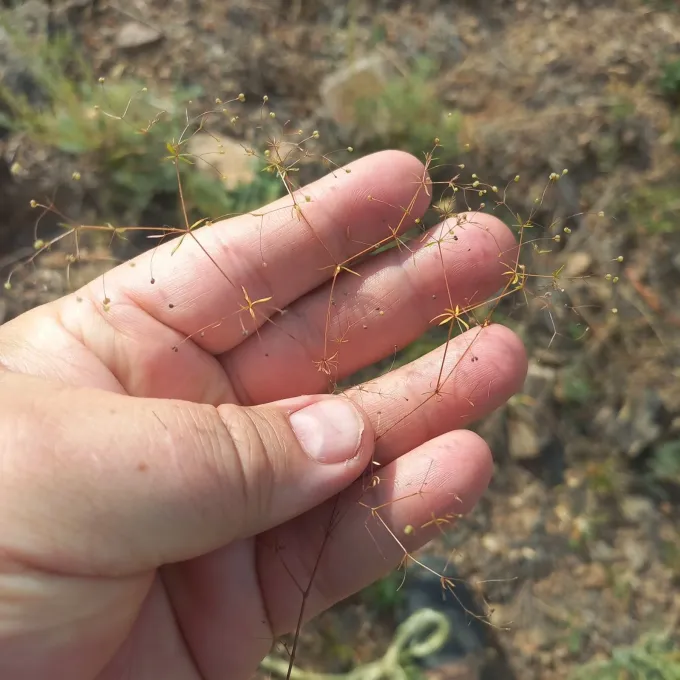
Description
Sowing dates
Galium tenuissimum is an annual herbaceous plant belonging to the Rubiaceae family. Its biological cycle is typically synchronized with the spring season, as germination starts when soil temperatures become consistently warm, usually reaching 10-12 degrees Celsius.
The optimal time for sowing is early spring, which allows the plants to utilize winter moisture reserves in the soil effectively. Sowing should be shallow, as small seeds require consistent light exposure to trigger successful germination and early development.
In field conditions, proper soil preparation is essential, involving light harrowing to ensure a fine tilth. Once the seedlings emerge, they develop rapidly, quickly establishing their vegetative structure in the available space.
Maintenance during the initial growth phase involves weed management to ensure that the slender stems are not crowded by more vigorous invasive species. Consistent monitoring of seedling density is crucial for achieving high uniformity across the field.
The vegetation period typically spans three to four months, ending with the plant producing seeds. Efficient management of the sowing timing helps in synchronizing harvest with favorable weather conditions, ensuring maximum yield of biomass or quality seeds.
Growing requirements
This crop thrives in open, sunny environments and is known for its high adaptability to varying climatic conditions. It is particularly well-suited to dry, steppe-like regions where heat tolerance is a prerequisite for survival.
Soil requirements are relatively flexible; the plant prefers light, sandy, or rocky substrates with neutral to slightly alkaline pH levels. It demonstrates an excellent ability to grow on degraded lands, making it useful for soil stabilization and environmental restoration projects.
Temperature management is straightforward, as the plant can withstand extreme diurnal temperature fluctuations. However, it requires a well-drained environment to avoid root rot, as the species is highly sensitive to waterlogged soil conditions.
Agronomic practices should focus on minimal intervention to protect the delicate root system. Nutrient application should be moderate; an excess of nitrogen often leads to excessive succulent growth, which increases the risk of lodging.
Good aeration of the soil is beneficial, as it promotes healthy root development and prevents the compaction often caused by heavy machinery. Simple cultivation techniques like light hoeing are usually sufficient to maintain optimal growth conditions throughout the season.
Main diseases and pests
The main biological threats to Galium tenuissimum include fungal pathogens such as powdery mildew, which can spread quickly in stagnant, humid air. This condition manifests as a white coating on leaves, reducing the plant's photosynthetic capacity.
Pests, particularly aphids and spider mites, are common in dry summer conditions. These insects target the stems and foliage, causing localized damage that can weaken the entire plant if left unaddressed for an extended period.
Effective management strategies involve regular field inspections to detect early signs of infestation or infection. Implementing a strict crop rotation schedule helps prevent the buildup of soil-borne pathogens and minimizes the impact of recurring pests.
In cases of high pest pressure, the use of biological control agents or targeted, mild biopesticides is recommended to preserve the overall health of the field. Maintaining a balanced ecosystem around the field also encourages beneficial insect populations that control pests naturally.
Proper harvest sanitation is critical, as debris can harbor spores and eggs through the winter. Removing and composting plant residues from the field significantly reduces the disease pressure for the following growing season.