
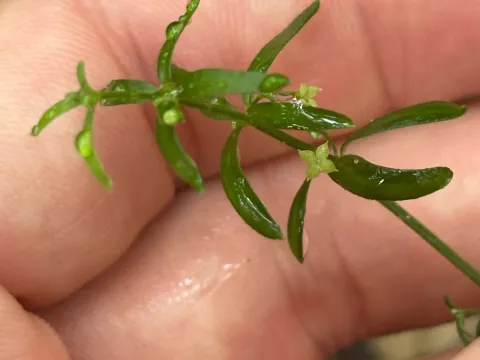
One-flowered bedstraw
Galium uniflorum
One-flowered bedstraw (Galium uniflorum) is a perennial herbaceous plant belonging to the Rubiaceae family. This species is valued for its unique biological properties and requires specific environmental conditions to thrive as a cultivated crop, favoring temperate climates and protected areas.
What the section contains
One-flowered bedstraw
The crop demands fertile, well-draining soils with a neutral or slightly acidic pH balance. Proper soil structure is essential, as the root system of Galium uniflorum is sensitive to compaction; therefore, periodic cultivation and loosening are required to ensure optimal root respiration and water uptake.
Climate requirements include a stable growing season with moderate precipitation. The plant is notably resilient but performs best when protected from extreme heat and direct intense sunlight, which can stress the leaves and inhibit the accumulation of valuable secondary metabolites.
Agrotechnical management involves careful site selection, ideally in partially shaded areas or locations with natural wind protection. Fertilizer application should be moderate, focusing on balanced nutrient levels that support steady vegetation growth without forcing rapid, weak development.
Proper spacing is crucial for maintaining plant health. When sowing, ensure that there is sufficient distance between plants to allow for airflow, which prevents the buildup of humidity and significantly reduces the risk of fungal proliferation within the crop canopy.
Powdery mildew represents a significant threat to Galium uniflorum, especially during humid summer months. The disease manifests as a white, dusty layer on leaves, which interferes with photosynthesis and can severely stunt the plant if not addressed with appropriate preventative fungicides.
Leaf-eating insects are among the most persistent pests for this culture. These insects can quickly defoliate the plant, leading to significant yield losses. Monitoring for larvae and adult pests during the peak growing season is essential for implementing timely and effective control measures.
Root rot, primarily caused by excessive soil moisture and poor drainage, poses a lethal threat to the crop. To prevent this, agronomists must prioritize site drainage and avoid over-irrigation, especially in soils that are heavy or clay-rich, where water tends to accumulate.
Rust diseases, identified by characteristic orange or brown pustules on the undersides of leaves, can occur when conditions are wet and cool. These infections are often difficult to control once established, making early detection and the removal of infected plant debris a priority.
Aphid infestations are a common issue that affects the tender tips and new shoots. Beyond the direct damage caused by sap-feeding, aphids often secrete honeydew, which promotes the growth of sooty mold, further damaging the aesthetic and chemical quality of the harvested crop material.