
Danais fragrans
Danais fragrans
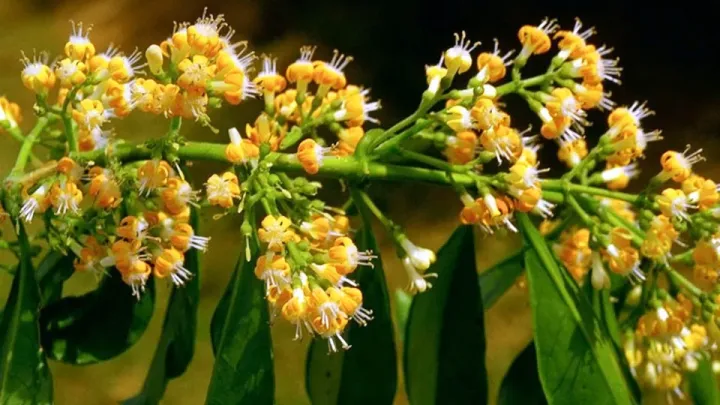
Description
Growing requirements
Danais fragrans is a notable member of the Rubiaceae family, primarily native to the islands of the Indian Ocean, including Madagascar and the Mascarenes. This species is recognized for its climbing or shrubby growth habit and highly fragrant floral displays.
Botanically, it thrives in environments that mimic its native tropical rainforest habitats. It features glossy, opposite leaves and dense clusters of small, fragrant flowers that make it a highly desirable specimen for botanical collections and specialized greenhouses.
Climate requirements are strict: the plant requires consistent warmth, with a preferred temperature range between 22°C and 28°C. It is extremely sensitive to thermal shock and requires protection from any temperature dropping below 15°C.
Soil management for Danais fragrans requires a high-quality, well-draining potting mix. A substrate rich in organic matter, such as high-grade peat combined with perlite or pumice, ensures proper aeration and prevents root suffocation during the growing season.
Humidity management is vital for this species. To achieve optimal growth, environmental humidity should remain consistently high. Misting the foliage or using professional humidification systems in a climate-controlled room is standard practice for professional growers.
Main diseases and pests
The primary threats to Danais fragrans include sap-sucking pests such as aphids and mealybugs. These insects can quickly colonize the succulent new growth, significantly weakening the plant and hindering its development.
Root rot caused by stagnant water is a major physiological challenge. Growers must ensure that pots have adequate drainage holes and that the irrigation frequency is adjusted according to the plant's light exposure and developmental stage.
Fungal leaf spot diseases may appear if the foliage remains wet for extended periods in low-light conditions. Providing adequate air circulation and avoiding overhead watering are essential preventive measures for keeping the leaves healthy and clean.
Regular monitoring of the underside of the leaves is recommended, as this is where pests typically cluster. Early detection allows for the removal of individuals before they spread across the entire collection of plants.
Integrated Pest Management (IPM) protocols should be followed strictly. Using biological controls, such as beneficial predatory mites, can be highly effective in a greenhouse environment compared to relying solely on heavy chemical intervention.