
Chimarrhis turbinata
Chimarrhis turbinata
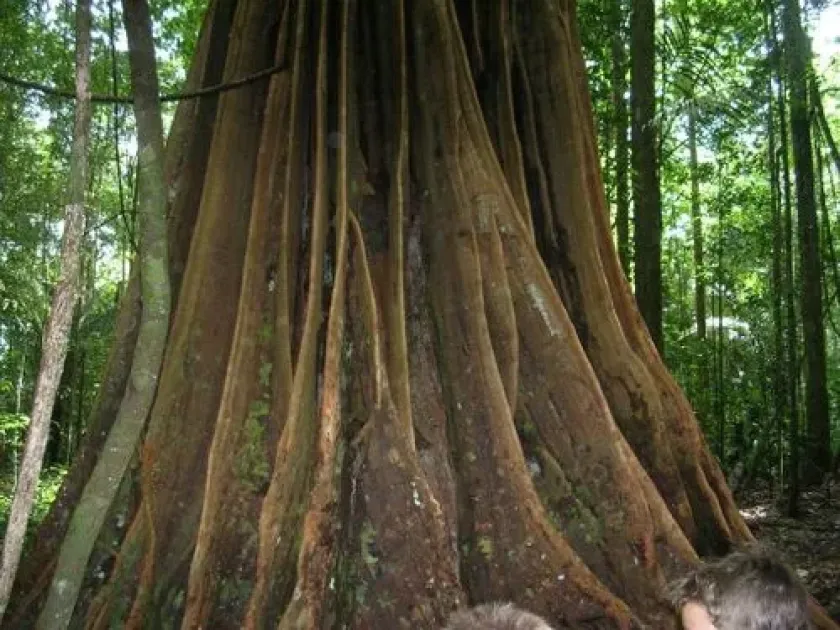
Description
Growing requirements
Chimarrhis turbinata is a prominent tropical tree species belonging to the Rubiaceae family. It is native to the rainforest ecosystems of South and Central America, where it thrives in specific warm and humid environmental niches.
The cultivation of this species requires a climate with high, stable temperatures throughout the year. It does not tolerate cold snaps or frost, making it strictly a tropical or subtropical tree suited for specific geographical latitudes.
Regarding soil requirements, the tree demands deep, well-drained, and nutrient-rich soils. It is highly sensitive to waterlogging, as proper root aeration is essential for the tree's development and long-term vitality.
Botanically, it is identified by its robust stem and dense, dark green canopy. Its leaves are typically opposite and leathery, providing an adaptation that helps the tree regulate transpiration in the humid tropical environment.
Economically, Chimarrhis turbinata is primarily valued for its durable and high-quality timber. The wood is often utilized in local construction projects and artisanal furniture making due to its structural strength and aesthetic qualities.
Main diseases and pests
The species faces pressure from various fungal pathogens that exploit the high-humidity conditions of its natural habitat to colonize the tree bark and internal tissues.
Insect pests, particularly wood-boring beetles, represent a significant threat to mature trees. These pests can cause extensive structural damage, often rendering the timber unsuitable for commercial use.
Competition from aggressive vine species is a major threat during the early stages of growth, as vines can easily overshadow the tree and prevent it from reaching the forest canopy.
Large-scale deforestation remains the most critical external threat to the continued existence and natural regeneration of this botanical species in the wild.
Effective management strategies for these threats are limited, as research remains focused primarily on preserving wild populations rather than industrial agricultural implementation.