
Cassipourea congoensis
Cassipourea congoensis
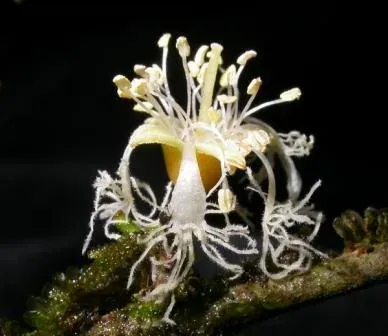
Description
Growing requirements
Cassipourea congoensis is an evergreen tree or shrub belonging to the Rhizophoraceae family. It is a significant woody plant native to the tropical forests of Africa, known for its dense canopy and robust growth in humid lowland environments.
The plant thrives in deep, fertile soils that provide sufficient moisture while maintaining good aeration. It is typically found in primary and secondary rainforests, often in areas along watercourses where the water table is accessible throughout the year.
Cultivation of this species requires a warm and stable tropical climate. It is intolerant of cold temperatures and requires consistently high humidity, mirroring the conditions of its native African habitat to reach full physiological maturity.
Agricultural practices for this species focus on site selection that provides protection from excessive wind and harsh sun during the initial establishment phase. Proper spacing is essential to ensure adequate airflow and nutrient access for each individual tree.
The plant has diverse economic applications, primarily in local timber production and traditional medicinal practices. The bark and leaves contain compounds that are frequently studied for their antimicrobial and pharmacological properties in modern research.
Main diseases and pests
The main threats to the survival and productivity of Cassipourea congoensis include habitat loss due to agricultural expansion and logging. Environmental changes, specifically prolonged drought, can significantly weaken the trees, making them susceptible to secondary infections.
Common pests include defoliating insects and wood-borers that can affect the structural integrity of the timber. Managing these threats involves integrated pest control strategies that prioritize tree vigor and environmental stability to prevent localized outbreaks.