
Cassipourea malosana
Cassipourea malosana
Description
Growing requirements
Cassipourea malosana is a significant woody species belonging to the Rhizophoraceae family. Native to the Afromontane forests, this tree is valued for its dense, high-quality timber and plays a crucial role in maintaining the ecological balance of high-altitude habitats.
The species requires deep, fertile, and well-drained soils to thrive. It performs best in areas with high annual rainfall and moderate temperatures, as excessive heat can impede the steady growth rate essential for timber development. Its ability to grow in understory conditions makes it a suitable candidate for agroforestry systems.
Agronomic management involves careful selection of planting sites with optimal soil pH, typically ranging from acidic to neutral. In professional nurseries, seedlings are nurtured under controlled conditions before being outplanted to ensure high survival rates and uniform growth across the plantation.
Botanically, the tree is characterized by its evergreen foliage and substantial trunk, which serves as the primary source of harvestable timber. The wood is renowned for its strength, durability, and resistance to environmental degradation, making it highly sought after for construction and fine woodworking.
Cultivation practices must include periodic pruning to ensure straight trunk development and reduce the risk of structural defects. Proper spacing is mandatory to facilitate adequate sunlight penetration and airflow, which are critical for the long-term health of the stand.
Main diseases and pests
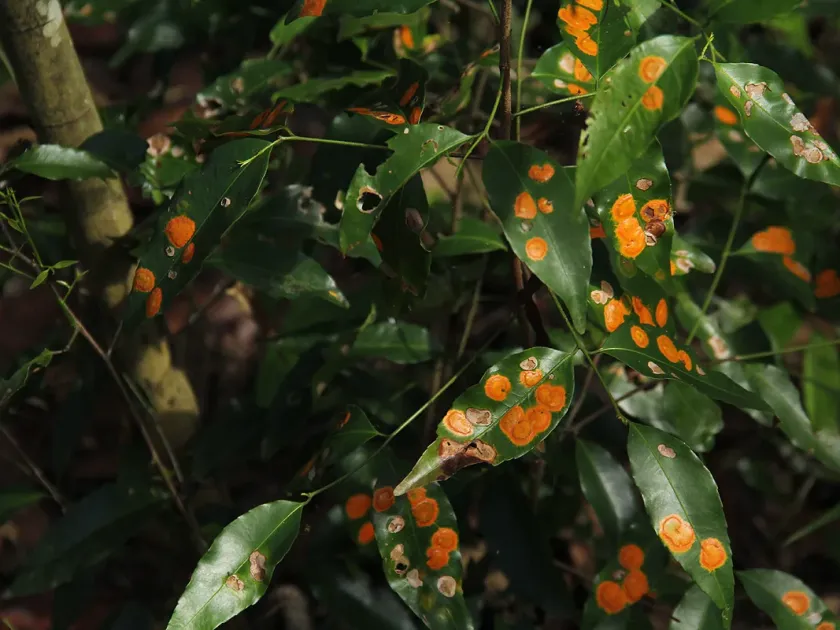
Fungal infections remain the primary biological threat to Cassipourea malosana. These pathogens typically infiltrate the wood through bark fissures or wounds, eventually causing decay that compromises the integrity of the tree.
Boring insects and wood-destroying beetles represent significant pests in commercial settings. Effective management requires constant monitoring and the implementation of integrated pest control programs to protect the investment in standing timber.
Anthropogenic pressure, particularly the illegal stripping of bark for medicinal use, poses a severe threat to the viability of the trees. This practice exposes the xylem to airborne pathogens and reduces the tree's overall vigor.
Root system issues, often caused by waterlogging in heavy soils, can lead to stunted growth or total mortality. Ensuring correct site selection with adequate drainage is the most effective preventative measure against these threats.
Sustainable forest management protocols, including controlled harvesting and regular site audits, are essential to mitigate the impact of disease and pests while ensuring the continued productivity of the plantation.