
Karwinskia humboldtiana
Karwinskia humboldtiana
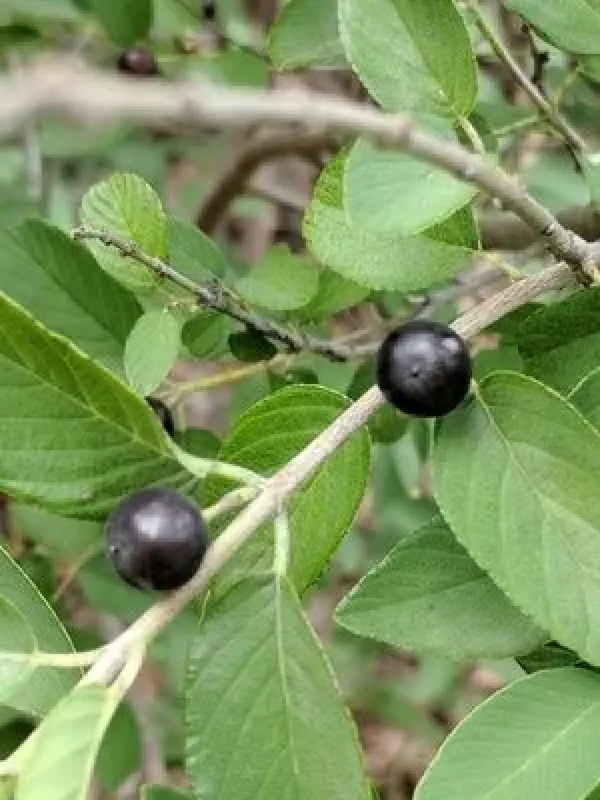
Description
Growing requirements
Karwinskia humboldtiana, commonly known as coyotillo, is a woody shrub belonging to the Rhamnaceae family. It is native to the arid regions of Mexico and the southern United States, demonstrating remarkable adaptation to dry environments.
The plant typically grows in rocky, calcareous soils where water drainage is optimal. It is a highly resilient species capable of withstanding intense heat and prolonged droughts, which are characteristic of its natural desert and scrubland habitats.
Botanically, the species is recognized by its ovate, opposite or sub-opposite leaves with distinct lateral veins and small, inconspicuous flowers. The fruits are drupes that turn black upon maturity, which is the most dangerous stage of the plant's development.
Cultivation requirements focus primarily on sunlight exposure. To thrive, this species requires full sun and should be planted in well-drained soil to prevent root issues caused by water saturation, which the plant cannot tolerate.
While the plant is of interest to researchers for its pharmacological profile, it is not an agricultural crop in the traditional sense due to its severe toxicity, necessitating careful management in any botanical study.
Main diseases and pests
The primary concern regarding this plant is its potent neurotoxicity. The seeds contain toxins that cause progressive paralysis, affecting the nervous system of mammals, including livestock and humans.
Coyotillo is naturally resistant to many pests due to its toxic chemical composition. Most insects avoid feeding on its leaves and stems, which reduces the need for chemical pesticide intervention.
Root rot remains the most significant threat to the plant's health, typically occurring when the species is cultivated in regions with high humidity or poor soil aeration.
Agricultural safety protocols must be strictly enforced when handling this shrub. Fencing or clear signage is essential to prevent accidental ingestion of the fruits, which can lead to permanent damage.
During maintenance activities, such as pruning or site clearing, workers must use protective gear to ensure no plant sap comes into contact with open skin or eyes to prevent irritation.