
Rhodocoma gigantea
Rhodocoma gigantea
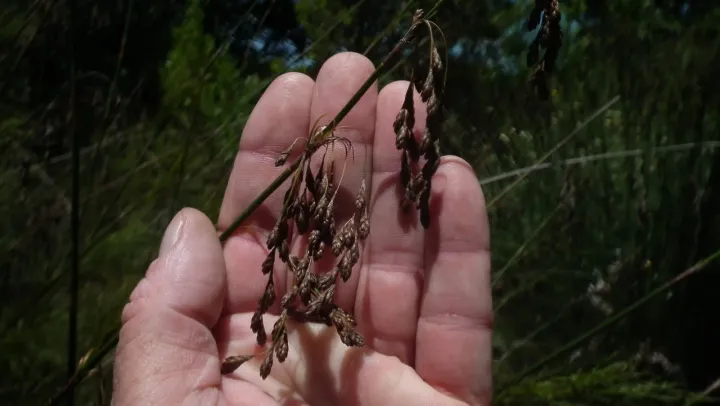
Description
Growing requirements
Rhodocoma gigantea is a perennial herbaceous plant belonging to the Restionaceae family. This species is endemic to the Cape region of South Africa and is known for its striking appearance, which resembles a giant horsetail or a tall bamboo.
Successful cultivation requires specific climatic conditions, typically found in Mediterranean or mild subtropical climates. The plant prefers sunny locations sheltered from strong winds, which can damage its tall, slender stems.
Soil requirements focus on well-draining, acidic, or neutral substrates. It is critical to avoid waterlogging at the roots, as this can lead to root rot during the dormant winter period.
In regions with harsh winters, growing in open ground is difficult. While the plant can withstand light frost, prolonged freezing temperatures require reliable protection or container cultivation with the ability to move the plant into a conservatory.
Agricultural practices include regular but moderate watering during the spring and summer. Fertilization should be kept to a minimum, as restios are adapted to nutrient-poor soils found in their native habitat.
Main diseases and pests
Rhodocoma gigantea is characterized by high resistance to most common garden pests. Due to the tough, reed-like structure of its stems and leaves, it is rarely damaged by insects such as aphids or spider mites.
The main threat to the plant comes from fungal diseases that develop under conditions of excessive soil moisture and poor air circulation. Root rot, in particular, can occur if watering is not properly managed.
To prevent disease, strict control over drainage is essential. It is recommended to incorporate coarse sand or perlite into the potting mix to improve soil permeability and aeration.
If pathogens are detected, immediate sanitary pruning of damaged parts is required, followed by treatment with broad-spectrum fungicides to prevent further spread.
Preventive maintenance includes regular thinning of the plant clump to ensure adequate light and airflow to the center of the crown, which significantly minimizes the risk of microbial development.
Harvesting
The primary use of Rhodocoma gigantea is in ornamental gardening and landscape design. It is highly valued for its unique architectural profile and evergreen foliage, which provides year-round aesthetic appeal.
In professional landscaping, it is used to create focal points in Mediterranean-style gardens and serves as an excellent structural element in container arrangements for patios and terraces.
Cut stems of this plant are often used by florists in original floral arrangements. They are remarkably durable and maintain their attractive appearance for long periods, making them ideal for dry bouquets.
Harvesting stems for floristic purposes is performed once they reach maximum density and structural rigidity, usually towards the end of the growing season to ensure the rhizome is not depleted before winter.
Propagation is mainly achieved by dividing the clump in the spring or by growing from seeds, which requires precise temperature control and high air humidity during the initial germination phase.