
Cannomois virgata
Cannomois virgata
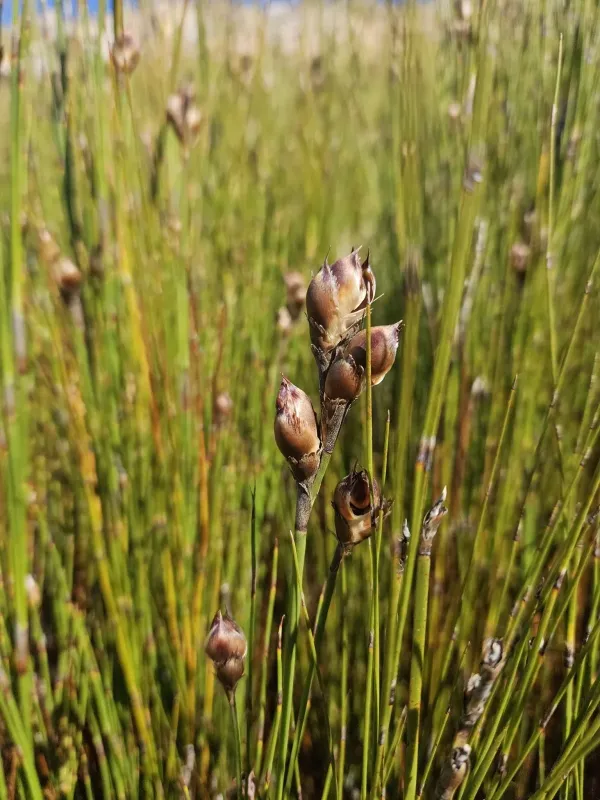
Description
Growing requirements
Cannomois virgata is a perennial grass-like plant belonging to the Restionaceae family. It is native to the Cape Region of South Africa, where it thrives in the unique environmental conditions of the fynbos biome.
The cultivation of this plant requires acidic, sandy, and nutrient-poor soils. Ensuring a high level of drainage is paramount, as the species is highly sensitive to waterlogged conditions that cause root decay.
Climatic preferences include Mediterranean-like conditions characterized by mild winters and high sunlight exposure. It is crucial to position plants in areas that receive full sun and are protected from harsh, drying winds.
Agrotechnical management is focused on mimicking its natural environment. Minimal use of fertilizers is recommended, as high nitrogen levels can compromise the structural integrity and hardiness of the plant stems.
The primary agricultural and commercial use of Cannomois virgata is in high-end ornamental horticulture and the floral industry. Its resilient and aesthetically pleasing culms make it a sought-after material for exotic landscape designs.
Main diseases and pests
The most significant threats to the health of Cannomois virgata are fungal infections resulting from poor drainage and high humidity. Maintaining a dry root environment is the best prevention against pathogens.
Pests such as spider mites and mealybugs can pose a threat, particularly in enclosed or protected cultivation environments. Regular inspection of the foliage is essential to detect early infestations.
Air circulation is critical to prevent the development of mold and mildew on the dense clusters of stems. Strategic planting distances must be maintained to ensure proper airflow between mature plants.
Integrated pest management strategies should be employed to mitigate risks without resorting to aggressive chemicals that could negatively impact the sensitive balance of the soil microbiome.
In cases of severe infestation, targeted application of appropriate fungicides or insecticides is necessary. However, prioritizing sanitation and optimal growing conditions remains the most effective defense strategy.