
Thamnochortus insignis
Thamnochortus insignis
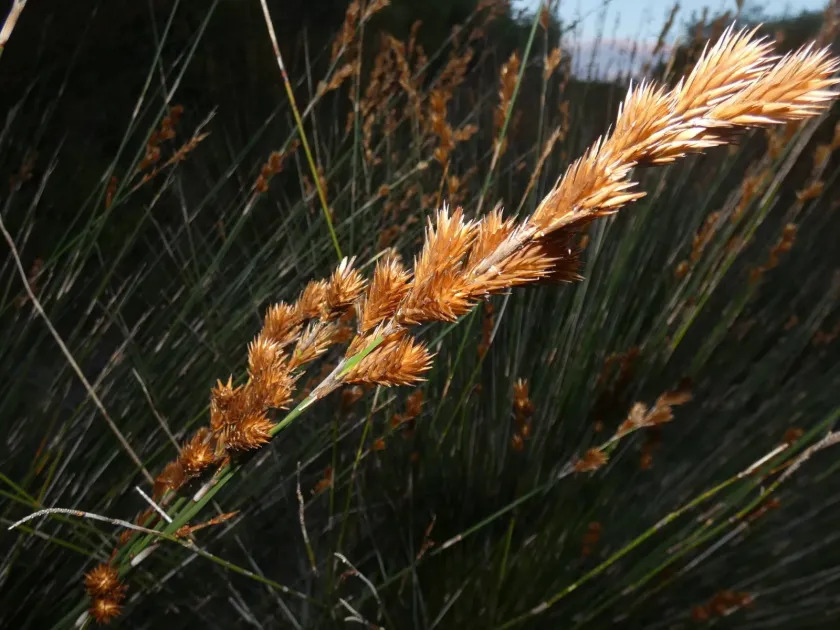
Description
Sowing dates
Sowing of Thamnochortus insignis seeds is best performed during the spring, aiming for a constant temperature range between 15 and 20 degrees Celsius.
The use of well-draining, sandy substrates is crucial to prevent moisture accumulation, which can negatively impact the germination process of the seeds.
Commercial nurseries often employ stratification methods to enhance seed vigor and ensure uniform sprouting across the planted area.
Seeds should be planted at a very shallow depth, as exposure to sufficient sunlight is a primary trigger for successful germination and initial growth.
Maintaining consistent humidity levels while ensuring proper aeration is essential to prevent seedling damping-off during the early stages of development.
Growing requirements
Thamnochortus insignis belongs to the Restionaceae family and is native to the diverse and demanding environments of the South African fynbos.
The plant thrives in full sun, requiring maximum exposure to light to maintain the structural integrity and vertical habit of its characteristic stems.
Optimal growth occurs in nutrient-poor, sandy, and acidic soils that provide the necessary drainage for its sensitive, fibrous root system.
While highly drought-tolerant, the crop requires protection from extreme winter waterlogging, which is a major limiting factor for its cultivation in non-native regions.
Agronomic management should prioritize low-input practices, as the plant is adapted to minimal nutrient levels and can suffer from excessive fertilization.
Main diseases and pests
Fungal diseases related to root and stem pathogens are the primary threats, especially when environmental conditions include high humidity and poor airflow.
In intensive cultivation systems, poor ventilation between plants can lead to the rapid spread of blight, necessitating regular thinning of the crop.
Pests such as spider mites can occasionally affect the vitality of the crop, particularly when plants are grown under protective greenhouse conditions.
Prevention involves strict hygiene practices, including the removal of dead organic debris from around the base of the plant to eliminate overwintering sites.
Implementing a integrated pest management strategy ensures long-term crop health without relying on excessive chemical inputs that could affect soil biology.
Harvesting
Harvesting is conducted once the stems have reached full maturity, characterized by a uniform straw-like color and increased mechanical strength.
The harvested material is highly prized for its use in sustainable construction, thatch roofing, and high-end floral installations due to its exceptional durability.
Mechanical harvesting tools are used to cut stems cleanly at the base, ensuring the plant is not damaged, which allows for future regrowth cycles.
Proper post-harvest drying in shaded, well-ventilated structures is vital to preserve the aesthetic quality and structural integrity of the stems.
Quality control standards focus on the uniformity of the stem length and the absence of fungal spotting or physical damage incurred during the collection process.