
Thamnochortus cinereus
Thamnochortus cinereus
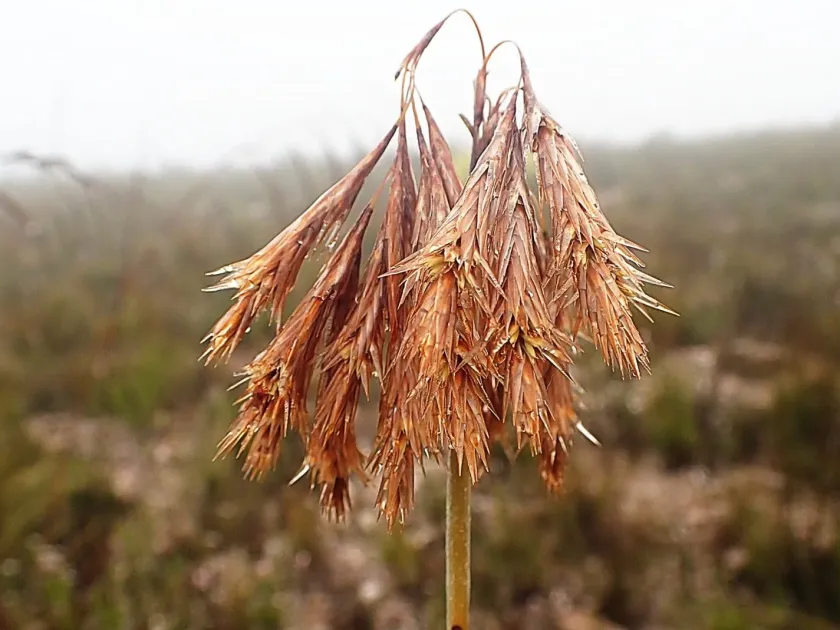
Description
Sowing dates
Propagation of Thamnochortus cinereus is typically performed through seeds or by dividing mature clumps during the early spring. Seeds should be sown in a light, well-draining substrate, maintaining a consistent temperature between 20 and 22 degrees Celsius.
It is recommended to use seed trays to ensure environmental control for the sensitive seedlings. Once the plants reach a stage with several true leaves, they should be moved into individual pots to facilitate root development.
Sterilization of the growth medium is crucial to minimize the risk of fungal infections, which are the primary threat during the initial germination and seedling phase.
Transplanting to the permanent location should only occur after the risk of frost has passed and the soil has warmed sufficiently, typically when temperatures remain consistently above 15 degrees Celsius.
Vegetative division is an effective method for renewing old plantings, performed every few years to encourage new growth and maintain the structural integrity of the plant cluster.
Growing requirements
As a member of the Restionaceae family, Thamnochortus cinereus is native to South Africa and thrives in environments that mimic its natural habitat. It requires full sun and excellent air circulation to maintain its unique structural form.
The soil profile must be sandy, acidic, and provide exceptional drainage. Waterlogging is detrimental to the plant, so constructing raised beds is a standard practice in areas with naturally heavier or clay-based soils.
While mature plants exhibit remarkable drought tolerance, they require moderate watering during the active growing season. During winter, keeping the root zone dry is essential to prevent decay.
Nutrient requirements are modest; high-nitrogen fertilizers should be avoided as they lead to excessive, weak growth that reduces the plant's natural resilience and aesthetic appeal.
The plant performs best in a temperate, Mediterranean-style climate where winters are relatively dry, which prevents the rot issues that can occur in consistently humid and cold environments.
Main diseases and pests
The most significant threats to Thamnochortus cinereus are related to soil pathogens, particularly root rot triggered by poor drainage and excessive moisture during dormant periods.
Fungal diseases like Rhizoctonia can attack seedlings if the substrate remains too moist or lacks adequate airflow, leading to sudden wilting and plant death.
Pests are generally minimal, although aphids and spider mites can occasionally affect plants in greenhouses or low-ventilation environments; proactive monitoring is essential.
Damage from excessive weeds is a major threat during the establishment phase, as the plant competes poorly with aggressive ground cover and needs consistent weeding around the base.
Biosecurity measures, such as avoiding the introduction of contaminated soil and ensuring healthy plant material, are the primary methods for preventing long-term infestations.
Harvesting
Commercial harvesting of Thamnochortus cinereus involves gathering the structural stems and inflorescences, which are highly valued in the dried flower and ornamental industry for their long-lasting properties.
Stems are harvested by cutting them cleanly at the base, ensuring that the central growing point of the plant is not damaged, allowing for a sustainable yield in subsequent seasons.
For optimal preservation, the stems should be harvested in the morning after the dew has evaporated but before the heat of the day, ensuring the plant tissues are firm and stable.
Drying occurs in shaded, well-ventilated structures where the stems are bundled and hung upside down to maintain their characteristic straight, rigid appearance.
Proper rotation and harvest management ensure that the plant maintains its vigor and produces high-quality material for multiple years before needing replanting or significant rejuvenation.