
Drooping Anemonastrum
Anemonastrum demissum
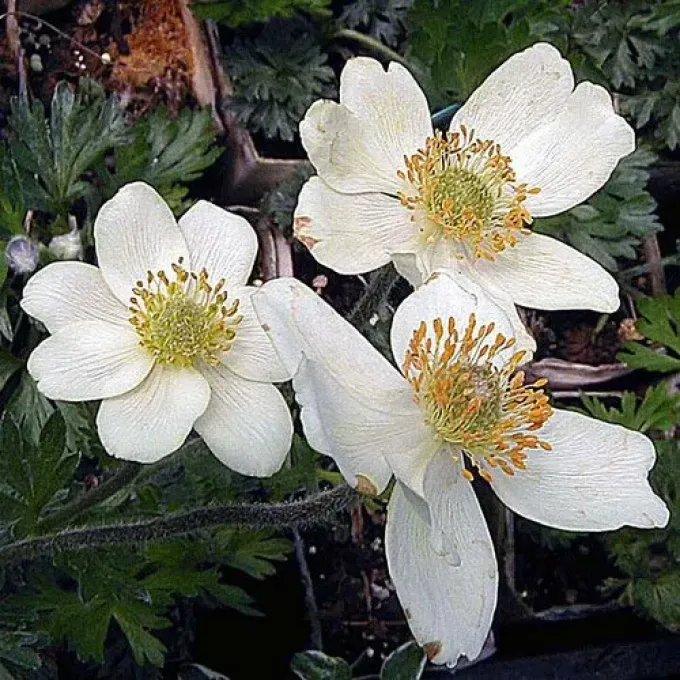
Description
Growing requirements
The Drooping Anemonastrum (Anemonastrum demissum) is a perennial herbaceous plant belonging to the Ranunculaceae family. Native to the high-altitude mountain ranges of the Himalayas, this plant has adapted to survive in challenging alpine environments.
The species features a basal rosette of deeply divided leaves and an erect stem that carries showy, nodding flowers, which gives the plant its common name. The aesthetic appeal of the flower structure makes it a sought-after specimen for specialized gardening.
To cultivate this species, one must provide a well-draining substrate that mimics rocky mountain soils. It thrives in locations with cool temperatures and does not tolerate stagnant water, which can quickly lead to root decay.
Optimal site selection requires partial shade, as the plant is susceptible to heat stress when exposed to direct mid-day sun. Consistent moisture levels are required, but the soil must remain aerated to allow roots to breathe.
Economically, this plant is categorized as a niche ornamental crop. It is primarily used by collectors and alpine garden enthusiasts who aim to replicate the natural habitat of mountain flora in a controlled garden setting.
Main diseases and pests
The primary threats to this plant are soil-borne pathogens and fungal infections like root rot. These occur predominantly when the soil lacks adequate drainage or remains overly saturated for extended periods during the growing season.
Pests, such as aphids and spider mites, can also impact the health of the foliage, particularly during dry spells. Maintaining appropriate humidity and checking for early signs of infestation is essential for long-term plant health.