
Anemonastrum fasciculatum
Anemonastrum fasciculatum
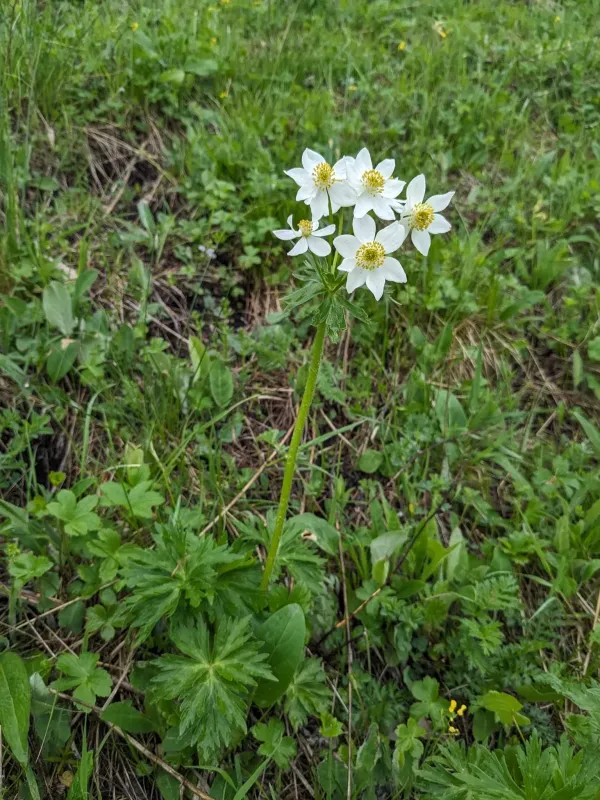
Description
Growing requirements
Anemonastrum fasciculatum, also known as the bunch anemone, is a perennial herbaceous plant belonging to the Ranunculaceae family. It is native to mountainous regions, particularly in the Caucasus and adjacent areas, where it thrives in alpine environments.
The plant is characterized by a basal rosette of leaves and a flowering stalk that holds multiple blossoms. Its botanical structure is adapted for survival in harsh conditions, with rhizomes providing energy storage for the growing season.
In terms of cultivation, the plant requires well-drained, nutrient-rich soil with a neutral to slightly acidic pH. Avoiding waterlogging is crucial, as the root system is highly susceptible to decay in stagnant water conditions.
Climate requirements for this species include cooler temperatures and stable humidity levels. It performs best in partial shade, mimicking the protection offered by larger rocks or shrubs in its natural mountain habitat.
The primary use of Anemonastrum fasciculatum is in ornamental gardening. It is highly valued for its elegant white flowers, making it an excellent addition to rock gardens, border plantings, and specialized perennial collections.
Main diseases and pests
The most common health issues for this species are fungal infections caused by excess soil moisture. Root rot is the primary threat that can lead to rapid plant decline if drainage conditions are not met.
Pest threats include common garden insects like aphids, which feed on tender plant tissues, and root-dwelling nematodes in specific soil conditions. Infestations are generally easier to manage if detected at an early stage.
Prevention is the most effective management strategy. Maintaining good airflow between plants and ensuring that the top layer of soil dries out slightly between waterings can significantly reduce the risk of infection.
Weed management is also critical to prevent competition for nutrients and water. Regular inspection of the basal area helps identify pests or signs of stress before they manifest as systemic health problems.
Integrated pest management, including the use of mild horticultural soaps for aphid control and maintaining soil health through organic amendments, provides the best long-term outcomes for this crop.