
Forked anemone
Anemonastrum dichotomum
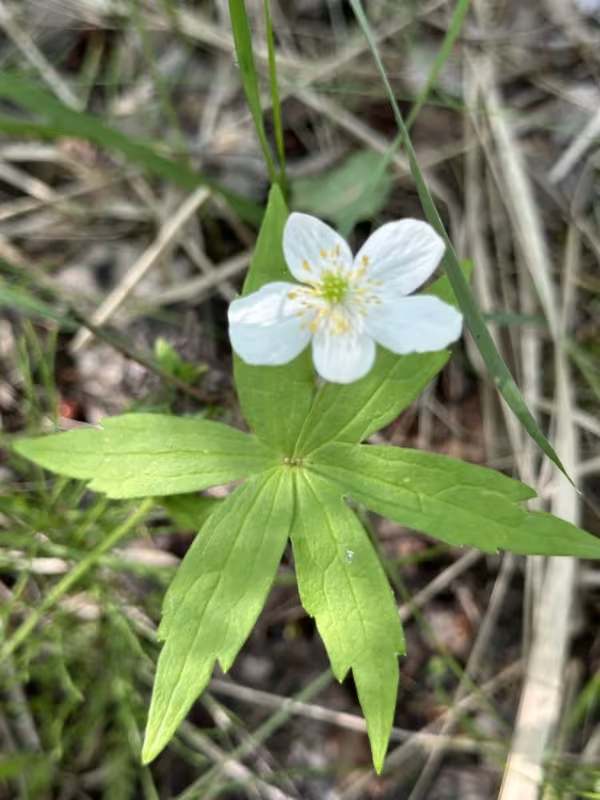
Description
Sowing dates
The Forked Anemone is a perennial rhizomatous plant. Propagation is most efficiently achieved through the division of rhizomes, which ensures the preservation of phenotypic traits.
The optimal planting time occurs in early spring, before active growth begins, or in late summer, allowing the plant to establish roots before the winter dormancy period.
For propagation via seeds, a cold stratification period of two to three months is required to break seed dormancy. Sowing is typically performed in outdoor cold frames or directly into the soil before winter.
Seeds should be sown at a shallow depth of approximately 0.5 to 1 cm, as they require surface proximity for successful germination and emergence.
When transplanting rhizome segments, a spacing of 30 cm is recommended to prevent overcrowding and to facilitate healthy rhizome development over subsequent seasons.
Growing requirements
Belonging to the Ranunculaceae family, this species originates from temperate regions of Eurasia. It thrives in well-drained, nutrient-rich soils with consistent moisture levels.
While tolerant of various light conditions, the plant prefers dappled shade. Excessive exposure to direct midday sun can lead to leaf scorching and moisture stress, especially in warmer climates.
Water management is critical; the soil must remain moist but never waterlogged. Good drainage is essential, as stagnant water is a primary cause of rhizome decay.
The plant performs best in neutral to slightly acidic soils. Incorporating organic matter, such as leaf mold or compost, annually helps maintain soil structure and fertility.
The Forked Anemone is highly hardy, capable of withstanding cold winters without the need for additional protective mulch, making it a reliable perennial for northern landscapes.
Main diseases and pests
The primary threats to this species include fungal infections such as grey mold and leaf spot, which are most prevalent in high-humidity environments with poor air circulation.
Leaf nematodes represent a significant biotic threat, causing stunted growth, distortion of foliage, and yellowing, which drastically reduces the vigor of the plant.
Mollusks, including slugs and snails, may feed on tender young foliage during the spring, necessitating protective measures such as physical barriers or biological controls.
Effective management involves maintaining clear garden beds, ensuring adequate plant spacing to facilitate airflow, and prompt removal of decaying organic material.
If disease symptoms appear, targeted fungicide application is necessary. Infected plant material should be carefully removed from the site to prevent the spread of spores.