
Narcissus-flowered anemone
Anemonastrum narcissiflorum
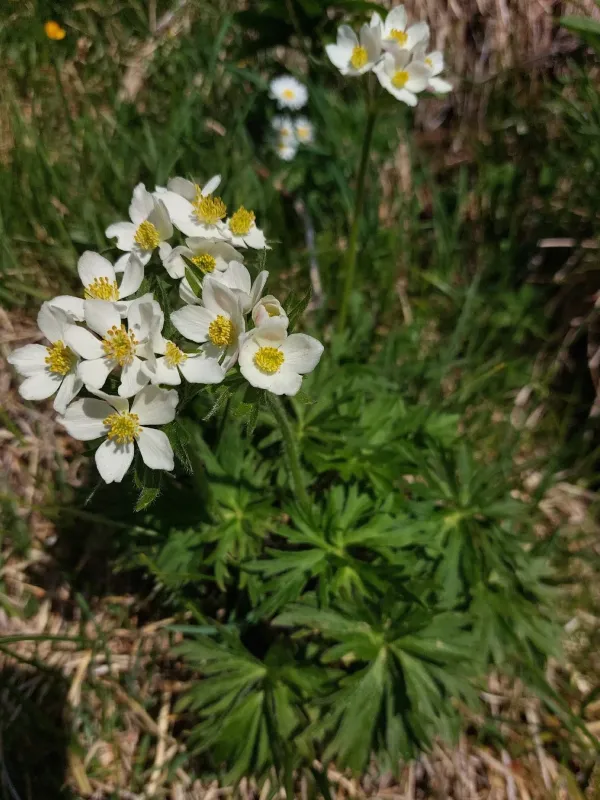
Description
Growing requirements
The Narcissus-flowered anemone (Anemonastrum narcissiflorum) is a herbaceous perennial member of the Ranunculaceae family. It is native to alpine and subalpine regions, frequently found on limestone soils.
In cultivation, this species requires well-draining soil to prevent root rot. It thrives best in substrates that are slightly alkaline, loose, and rich in mineral content, mimicking its natural mountainous habitat.
The plant is known for its high cold tolerance and preference for open, sunny environments. Proper light exposure is crucial for the development of strong, healthy flower stalks during the early spring season.
Agricultural maintenance involves careful monitoring of soil moisture. While it needs hydration, it cannot tolerate waterlogging, as the root system is highly sensitive to excessive humidity during dormant periods.
The primary use of this crop is in ornamental horticulture and alpine landscape design. Its aesthetic appeal makes it a valuable asset for collectors and gardeners seeking robust, early-blooming perennial flora.
Main diseases and pests
The most common disease threats involve fungal pathogens that thrive in wet conditions. Root rot and powdery mildew are the primary concerns when air circulation is inadequate.
Preventative measures should focus on site selection and soil preparation to ensure rapid drainage, which helps to minimize the incidence of these fungal infections.
Pest issues primarily involve gastropods, such as slugs and snails, which can cause significant damage to the lush foliage during the early stages of spring growth.
Aphids can also pose a problem, attacking the developing flower buds and stalks. Infestations should be managed immediately to maintain the plant's structural integrity.
Routine inspection of the planting area is essential. Effective management practices include removing garden debris where pests might hide and applying organic treatments for pest control.