
Alpine pasqueflower
Pulsatilla alpina
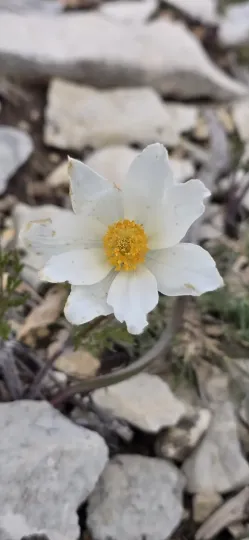
Description
Sowing dates
Sowing of Alpine pasqueflower seeds is best performed in autumn immediately after collection, as they require cold stratification to break dormancy.
If spring sowing is planned, seeds must undergo artificial stratification in a cold environment at temperatures near freezing for about three months.
Seeds should be covered only very lightly with soil because they need light to germinate; keeping the substrate consistently moist is crucial.
Once the seedlings develop a few true leaves, they should be carefully pricked out into individual pots to allow the taproot system to develop.
Transplanting into the permanent garden site should be done with extreme care, as the plant is notoriously difficult to transplant once established.
Growing requirements
Alpine pasqueflower is a herbaceous perennial belonging to the Ranunculaceae family, naturally found in the mountain ranges of Europe.
The plant thrives in well-drained, lime-rich, or stony soils and is highly intolerant of waterlogged conditions, which lead to crown rot.
It is a heliophilic species, meaning it requires full sun exposure to maintain its compact growth habit and promote healthy flowering cycles.
The species is perfectly adapted to cold, mountainous climates and shows significant resistance to frost during the winter months.
In garden settings, mulching with fine gravel helps protect the crown from excess moisture and mimics the natural mountain scree environment.
Main diseases and pests
Fungal diseases are the primary threat to the Alpine pasqueflower, especially in environments where air circulation is poor or soil is too heavy.
Root and crown rot are particularly problematic during the transition from winter to spring when snowmelt can saturate the soil for extended periods.
Slugs and snails are common pests that feed on the soft leaves and developing flower buds, potentially destroying the visual appeal of the plant.
Maintaining a clean garden bed and ensuring sufficient space between individual plants are effective strategies for mitigating disease pressure.
Regular monitoring during the early spring season is essential to identify pest activity or fungal symptoms before they cause permanent damage.