
Anemonastrum tetrasepalum
Anemonastrum tetrasepalum
Description
Growing requirements
Anemonastrum tetrasepalum is an herbaceous perennial plant that belongs to the Ranunculaceae family. It is native to high-altitude regions of Asia, where it thrives in alpine meadows and damp, rocky slopes, demonstrating a unique ability to adapt to cool environments.
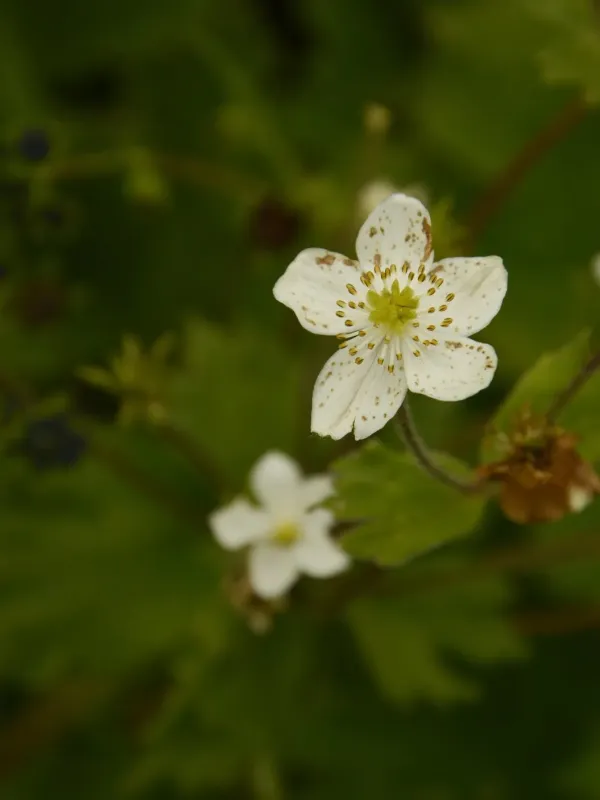
The plant is defined by its rhizomatous root system, which allows it to remain dormant through harsh winters. The foliage is typically basal and palmately divided, while the inflorescence features delicate flowers usually characterized by four sepals, giving it a distinctive aesthetic appeal.
In cultivation, this species requires a climate that mimics its natural mountain habitat, favoring cool air temperatures and consistent moisture. Exposure to intense, direct afternoon sun can lead to leaf scorching, so site selection should prioritize semi-shaded locations.
The soil should be well-draining, rich in organic matter, and slightly acidic. Like many members of the buttercup family, Anemonastrum tetrasepalum is highly susceptible to root rot if the soil remains waterlogged, making soil structure an essential element of the planting process.
Regular maintenance involves keeping the soil evenly moist throughout the active growing season. Applying a thin layer of mulch can help regulate soil temperature and retain moisture around the roots, preventing the plant from experiencing drought stress during dry periods.
Main diseases and pests
The most common disease affecting this plant is powdery mildew, which often emerges when there is poor air circulation combined with high humidity. Ensuring proper spacing between plants helps to reduce the incidence of this fungal infection significantly.
Root rot, driven by pathogens like Phytophthora, is a severe threat in heavy or poorly drained soils. If the roots become saturated, the plant will decline rapidly; therefore, it is vital to ensure that the site has a natural slope or an artificial drainage layer.
Slugs and snails are primary pests, particularly in damp garden environments, as they feed voraciously on the foliage and young flower buds. Using organic deterrents or copper tape around the base of the plant can provide effective protection against these mollusks.
Occasional infestations of aphids can occur, which may stunt growth if left unchecked. A simple water spray or the application of insecticidal soap is usually sufficient to manage minor populations without harming the plant or beneficial insects.
Sanitation is key to disease prevention; always remove dead or decaying plant material in the autumn. This practice helps to eliminate potential overwintering sites for both fungal spores and pests, ensuring the plant returns vigorously the following spring.