
Pteris dactylina
Pteris dactylina Hook.
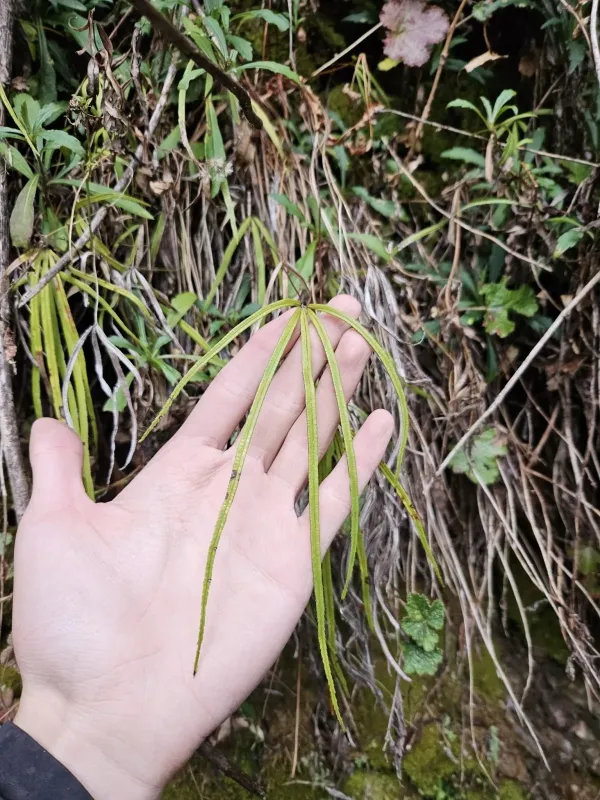
Description
Growing requirements
Pteris dactylina is a perennial fern species belonging to the Pteridaceae family. Originating from tropical and subtropical regions of Asia, this plant is well-adapted to humid forest understories and shaded environments.
The cultural requirements for this fern include stable temperatures ranging between 18 and 24 degrees Celsius. It is essential to protect the fronds from direct sunlight, which causes physiological stress and tissue burning in the delicate leaves.
Soil moisture management is a cornerstone of Pteris cultivation. The substrate should be maintained consistently moist but never waterlogged. Proper drainage layers at the bottom of the planting container are mandatory to prevent root asphyxiation.
A loose, acidic, and organic-rich soil mix is required for healthy growth. Horticultural peat, perlite, and leaf mold are common components used to create an ideal environment that balances moisture retention with aeration.
In terms of agricultural use, Pteris dactylina is primarily utilized in the nursery trade as an ornamental houseplant. Its elegant structure makes it a popular choice for indoor landscaping and specialized fern collections.
Main diseases and pests
The most significant threats to the health of this fern are sucking insects, particularly spider mites and mealybugs. These pests thrive in dry indoor conditions and can rapidly debilitate a plant if left unchecked.
Fungal pathogens pose a major risk if the soil remains excessively wet for long periods, leading to root rot. Symptoms include yellowing of the fronds, softening of the rhizomes, and a general loss of vigor.
Regular maintenance practices, including the removal of dead fronds, help improve air circulation around the plant. This reduces the micro-environmental humidity that often encourages the growth of fungal spores.
To control pest outbreaks, biological or chemical controls may be employed, ensuring that the substances used are safe for delicate fern foliage. Frequent inspection of the underside of the fronds is recommended.
Maintaining proper hygiene by cleaning pots and tools helps prevent the transfer of pathogens. A stable environment with appropriate humidity levels remains the best defense against both insect infestations and disease pressure.