
Cretan brake
Pteris cretica L.
Description
Growing requirements
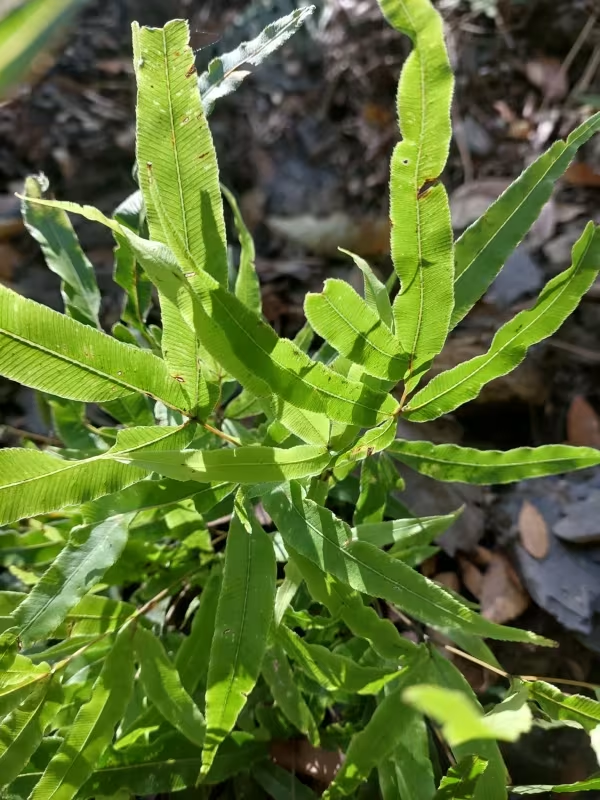
Cretan brake (Pteris cretica L.) is a popular perennial fern belonging to the family Pteridaceae. Naturally occurring in tropical and subtropical climates, this species is widely cultivated for both ornamental and greenhouse production.
The plant features distinct fronds that vary in color and variegation depending on the cultivar. Botanically, it relies on a rhizomatous root system, which requires a well-structured, porous substrate to thrive and prevent hypoxic conditions.
Ideal cultivation requires bright, indirect light conditions. Exposure to direct sunlight will rapidly desiccate the foliage and cause severe leaf burn. Maintaining ambient temperatures between 18°C and 22°C is essential for consistent growth.
Soil requirements focus on high organic matter content combined with excellent drainage. A mix containing peat moss, pine bark, and perlite is often utilized in commercial setups to ensure the substrate remains moist but not waterlogged.
Irrigation management is critical; the root zone must be kept consistently damp throughout the growing season. During winter, reduce watering frequency slightly to match the plant's metabolic slow-down, ensuring the substrate does not completely dry out.
Main diseases and pests
The most common pests affecting Pteris cretica include spider mites, which flourish in low-humidity environments. Mealybugs and scale insects also pose a significant threat to greenhouse crops by colonizing the undersides of the fronds.
Fungal pathogens such as Pythium and Phytophthora are frequent causes of root rot in poorly drained containers. Excessive moisture on the foliage can further promote leaf spot diseases caused by various opportunistic fungi.
Cultural control is the first line of defense; maintaining optimal humidity and ensuring adequate air circulation prevents the majority of pest and disease outbreaks. Regular scouting of the canopy is required to identify early-stage infestations.
When chemical intervention is necessary, growers must be cautious, as many ferns are sensitive to heavy concentrations of pesticides. Application of mild, systemic products is preferred over broad-spectrum harsh sprays.
Sanitation in the growing area is paramount. Removing old debris and sterilizing containers between growing cycles effectively minimizes the inoculum pressure of soil-borne pathogens.