
Pteris quadriaurita
Pteris quadriaurita Retz.
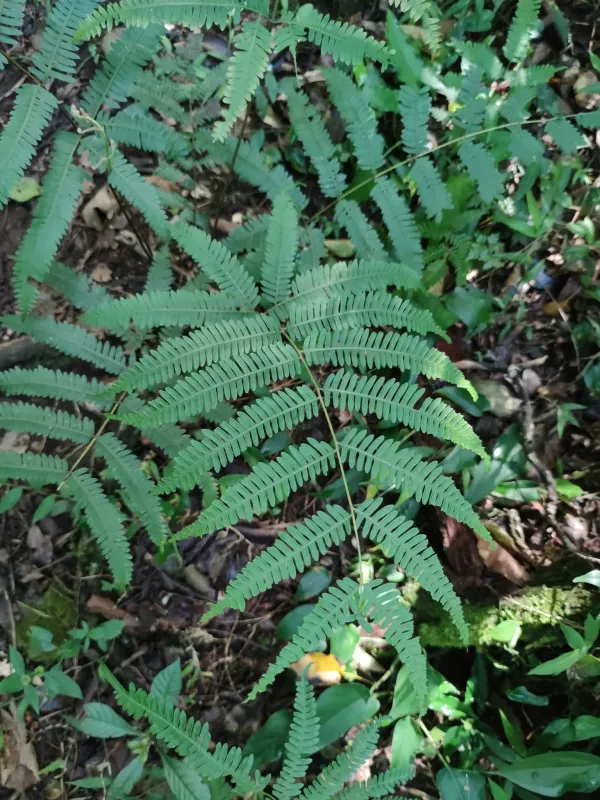
Description
Growing requirements
Pteris quadriaurita is a notable species within the Pteridaceae family. It is a robust, perennial fern widely recognized for its ornamental pinnate fronds and its capability to thrive in tropical and subtropical environments under shaded conditions.
Originating from diverse tropical habitats across Africa and Asia, this species requires high humidity levels consistently above 60%. It is highly valued in commercial horticulture for its adaptability to indoor environments and controlled greenhouse conditions.
Successful cultivation relies on a well-draining, organic-rich growing medium. A mixture consisting of peat moss, perlite, and decomposed leaf mold is ideal to mimic the natural forest floor habitat and ensure proper oxygenation of the root system.
The optimal temperature range for this fern is between 18°C and 24°C. It is extremely sensitive to thermal shock; therefore, protection against cold drafts and sudden temperature fluctuations is essential for maintaining plant vigor and foliage color.
Watering management involves keeping the substrate consistently moist but avoiding saturation. Irrigation water should be soft and filtered to prevent the accumulation of salts, which can cause severe tip burn on the delicate fern fronds.
Main diseases and pests
Scale insects represent a significant biological threat to Pteris quadriaurita, often clustering along the rachis. Regular scouting and the application of horticultural oils or systemic insecticides are required to prevent widespread infestation.
Spider mites are a common pest during periods of low atmospheric humidity. Increasing moisture around the plants and utilizing appropriate miticides are standard corrective measures to manage populations and prevent severe damage to the photosynthetic tissue.
Root rot, induced by Phytophthora or Pythium species, occurs when drainage is inadequate or irrigation is excessive. Proper sanitation and the use of sterile growing media are critical to mitigating the risk of soil-borne pathogens.
Fungal leaf spot diseases may manifest as brown lesions on the fronds under conditions of poor air circulation and high humidity. Improving ventilation and maintaining leaf surfaces free from stagnant water are effective prevention strategies.
Mealybugs are another common nuisance that can compromise plant health. Integrated pest management, including physical removal and spot-treatment with insecticidal soaps, remains the most sustainable approach to controlling these organisms.