
Selliguea ebenipes
Selliguea ebenipes
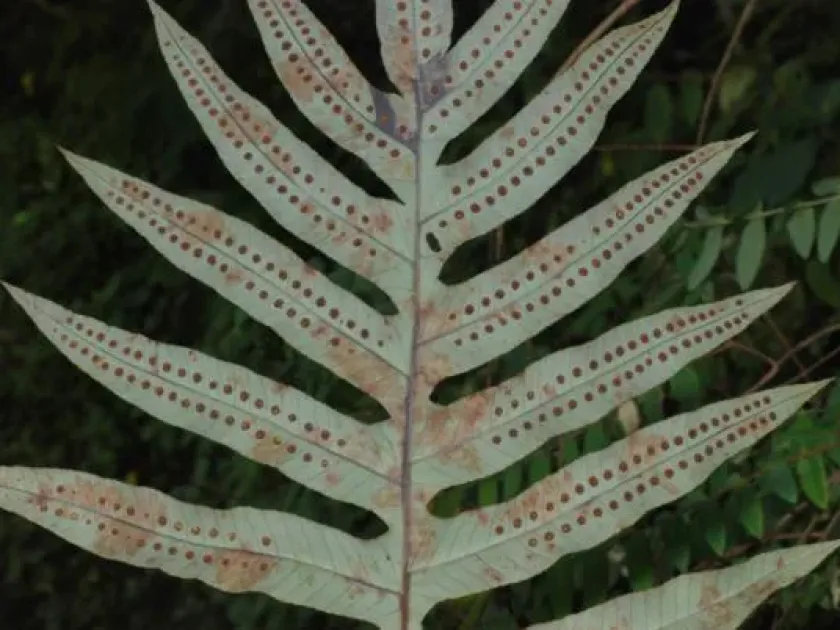
Description
Growing requirements
Selliguea ebenipes is a perennial epiphytic or lithophytic fern belonging to the Polypodiaceae family. It originates from the high-altitude tropical forests of Asia, primarily found in the Himalayan regions and southwestern China.
This species thrives in cool, humid environments consistent with mist forests. Unlike many low-land ferns, it is adapted to temperature fluctuations and high atmospheric humidity, which are essential for maintaining its robust health and growth.
Cultivation requires a well-draining, airy substrate to prevent root rot. An ideal growing medium consists of bark chunks, perlite, charcoal, and sphagnum moss, which mimic the natural environment of the plant growing on trees or rocky crevices.
Agricultural practices focus on consistent moisture levels without waterlogging. The plant prefers bright, indirect light, as direct sun can cause significant leaf damage, especially when the surrounding humidity is not sufficiently high.
Selliguea ebenipes is primarily used in ornamental horticulture and botanical collections. Its distinctive appearance, characterized by dark, scaly stipes, makes it a highly sought-after specimen for enthusiasts of rare tropical ferns.
Main diseases and pests
The main threats to this fern are fungal pathogens triggered by poor air circulation and excessive moisture in the root zone. Overwatering is the most common cause of premature plant decline in cultivated environments.
Pests such as spider mites and scale insects represent the most significant biotic challenge. These pests thrive in dry indoor conditions and can quickly compromise the plant's health by feeding on the sap of the fronds.
Physiological issues often arise from using hard water with high mineral content, which can build up in the substrate and affect the plant's nutrient uptake. Using rainwater or filtered water is highly recommended for optimal results.
Maintenance to prevent disease includes proper ventilation and strictly avoiding nighttime foliage misting, which helps prevent the development of leaf spots and other moisture-related infections.
Chemical control should be approached with caution. Because ferns are sensitive to certain pesticides, organic and biological pest management strategies are preferred to ensure the plant's long-term vitality.