
Selliguea taeniata
Selliguea taeniata
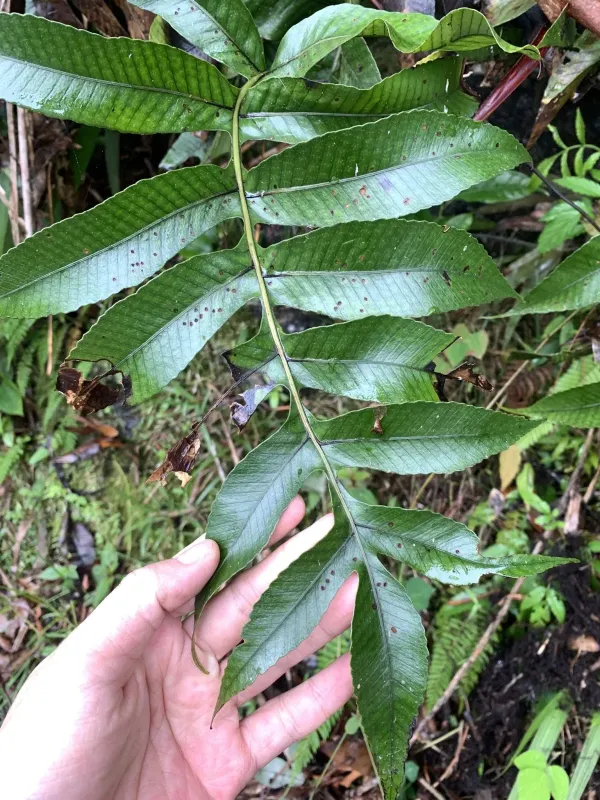
Description
Growing requirements
Selliguea taeniata is an epiphytic fern species belonging to the Polypodiaceae family. Native to the tropical regions of Southeast Asia, this plant has evolved to thrive in humid forest environments, often growing on tree trunks and shaded rocky outcrops.
For successful cultivation, the fern requires a stable climate with temperatures ranging from 20 to 25 degrees Celsius. It is highly sensitive to cold drafts and should be kept away from air conditioning vents or areas with fluctuating temperatures.
High humidity is essential for the health of Selliguea taeniata. Ideally, humidity levels should remain between 70% and 80%. Using a humidifier or placing the plant in a terrarium can mimic the natural tropical conditions necessary for its growth.
The growing medium must be highly porous and well-draining, similar to the epiphytic environment. A mix of orchid bark, sphagnum moss, and perlite is recommended to prevent waterlogging and ensure adequate oxygen access to the root system.
Filtered and indirect light is the preferred illumination for this fern. Direct exposure to intense sunlight will scorch the fronds, leading to permanent damage, so a shaded spot near an east-facing window is usually the best location.
Main diseases and pests
The most common pests affecting Selliguea taeniata are spider mites and scale insects. These pests often infest the plant when it is kept in dry, stagnant air, sucking the nutrients from the fronds and causing visible stippling.
Root rot represents the most serious threat to the longevity of the plant. It is primarily caused by overwatering or soil that remains saturated for too long, leading to a breakdown of root tissue and eventual foliage collapse.
Controlling pests requires careful monitoring and the application of neem oil or mild insecticidal soaps. It is vital to avoid harsh chemicals that can harm the delicate tissue of the fern fronds.
Prevention of fungal diseases involves maintaining good air circulation around the plant. This helps to dry the foliage after misting and prevents the accumulation of excess moisture that encourages pathogens.
If rot is detected, immediate action must be taken by repotting the plant into sterile, fresh medium. All affected necrotic roots should be pruned away to stop the spread of decay to healthy parts of the plant.