
Nephrolepis exaltata
Nephrolepis exaltata (L.) Schott
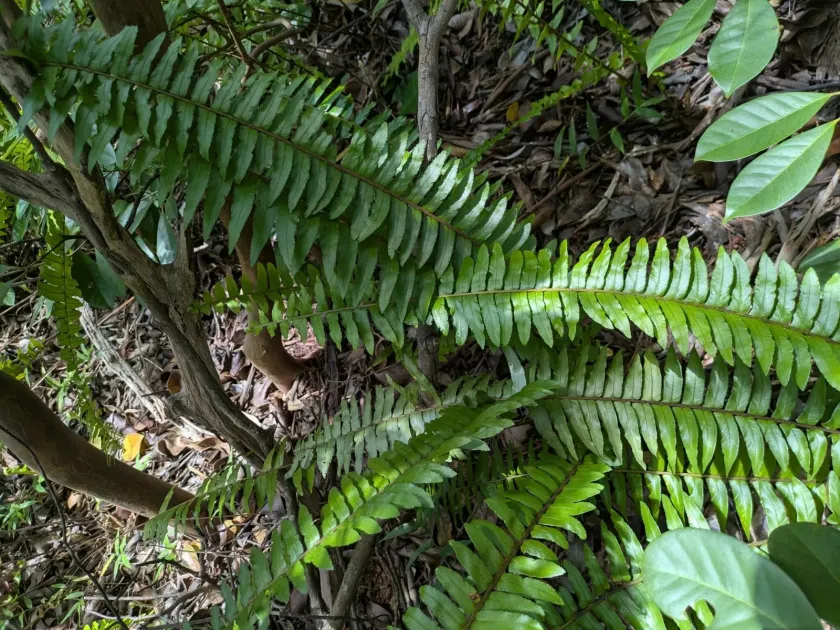
Description
Growing requirements
Nephrolepis exaltata, commonly known as the Boston fern, belongs to the Lomariopsidaceae family. It is native to tropical and subtropical regions across the Americas, Africa, and the Pacific, where it thrives in moist, shaded forest floors or as an epiphyte on trees.
The crop requires a light, porous, and well-draining soil mix to maintain healthy root development. A mixture consisting of peat moss, leaf mold, and perlite is optimal for providing the necessary moisture retention while ensuring adequate aeration for the roots.
The ideal temperature range for cultivation is between 18°C and 25°C. Nephrolepis exaltata is sensitive to cold drafts and rapid temperature fluctuations, which can trigger leaf drop and cause the fronds to brown at the edges or wither entirely.
Humidity is the most critical factor for this fern. It requires a relative humidity level of at least 60%. In indoor environments with low humidity, regular misting with soft water or the use of a humidifier is essential to mimic its natural tropical habitat.
Bright, indirect light is necessary for healthy frond growth. Direct sunlight should be avoided as it causes irreversible damage to the delicate leaf tissue, leading to sunburn. North or east-facing windows are generally the safest locations for placement.
Yield
Nephrolepis exaltata is primarily used for its ornamental value in residential and commercial interior landscaping. It is highly valued for its elegant, cascading fronds and its proven ability to act as an air purifier by removing toxins like formaldehyde.
Commercial production is typically carried out in greenhouses with strict climate control. Propagation is achieved through division of the parent clump or by utilizing the stolons (runners) that produce new plantlets, which are then rooted in a moist growing medium.
With consistent fertilization during the active growing season, the plant can produce significant biomass. A balanced, water-soluble fertilizer applied at half-strength every 4–6 weeks from spring to late summer ensures lush, deep-green foliage.
The plant reaches market size relatively quickly. Healthy specimens are prized for their symmetry and density. Maintaining the plant in appropriate container sizes is vital to prevent root-bound conditions which can stunt growth and overall vitality.
Successful management involves periodic repotting, usually in early spring. This allows for soil replenishment and provides the plant with the space needed to expand its rhizome system, ensuring the longevity and continued aesthetic appeal of the fern.
Main diseases and pests
Common pests include spider mites, scale insects, and mealybugs. These pests thrive in dry environments and can quickly infest a plant. Monitoring the underside of the fronds is essential for early detection and mitigation of potential outbreaks.
Fungal issues, such as root rot, often result from poor drainage or overwatering. When the soil remains waterlogged, the roots are deprived of oxygen, leading to decay. Maintaining a balance where the top layer of soil dries slightly between waterings is crucial.
- Spider mites: Indicated by fine webbing and stippling on leaflets.
- Scale insects: Appearing as small, brown, bump-like structures on stems.
- Mealybugs: Characterized by white, cotton-like masses in leaf joints.
For chemical control, use appropriate horticultural oils or systemic insecticides specifically labeled for indoor plants. Always apply treatments in a well-ventilated area and avoid direct light immediately after application to prevent leaf stress.
Preventive maintenance, including the removal of dead or damaged fronds, helps maintain good airflow and prevents the buildup of pathogens. Clean leaves are essential for optimal photosynthesis and general plant vigor.