
Neocheiropteris ovata
Neocheiropteris ovata
Description
Growing requirements
Neocheiropteris ovata is a perennial fern species belonging to the Polypodiaceae family. Native to the mountain forests of East and Southeast Asia, this plant often exhibits epiphytic or lithophytic growth habits, thriving on tree trunks or moss-covered rocks in high-humidity environments.
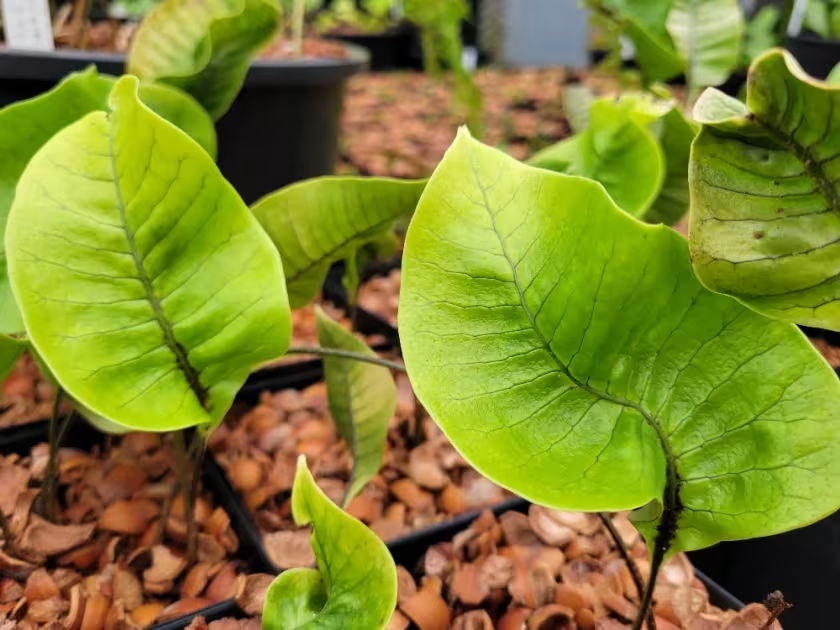
Botanically, it is distinguished by its leathery, ovate-shaped fronds and a creeping rhizome covered in dense, protective scales. The plant is well-adapted to shaded forest floors or canopy layers where light intensity is filtered and diffused, preventing the desiccation of its foliage.
Successful cultivation requires a growing medium that mimics its natural habitat, such as an airy mix of bark, perlite, and sphagnum moss. Maintaining high ambient humidity is crucial, ideally above 60-70 percent, to ensure the health and structural integrity of the fronds.
Temperature management is another vital aspect of agrotechnology for this species. It prefers cool to moderate temperatures, typically avoiding extremes below 15 and above 28 degrees Celsius, which ensures optimal metabolic activity throughout the growing season.
In terms of economic and practical use, Neocheiropteris ovata is primarily cultivated for ornamental purposes in botanical gardens and private specialized collections. Its unique leaf morphology makes it a highly sought-after subject for enthusiasts of rare fern species.
Main diseases and pests
Fungal infections are the most significant threat to this fern, particularly root rot caused by stagnant moisture or poorly draining soil media. Ensuring proper airflow around the root system and foliage is essential to prevent the spread of pathogens.
Scale insects and mealybugs are common pests that tend to hide in the scales of the rhizome and the undersides of the leaves. Infestations can severely weaken the plant and lead to stunted growth if left unmanaged for extended periods.
Spider mites represent a major risk in dry indoor environments. These pests thrive in low humidity and can cause significant damage by depleting leaf moisture, leading to discolored and brittle foliage.
Prevention relies heavily on quarantine measures for new plants and consistent monitoring. Regular inspection of the plant architecture is necessary to catch any signs of infestation before they evolve into full-scale colonies.
Treatment should focus on integrated pest management practices. Gentle cleaning with neem oil or mild insecticidal soap is recommended, as this species of fern can be sensitive to harsh chemical treatments that might damage its protective cuticle.