
Securidaca virgata
Securidaca virgata
Description
Growing requirements
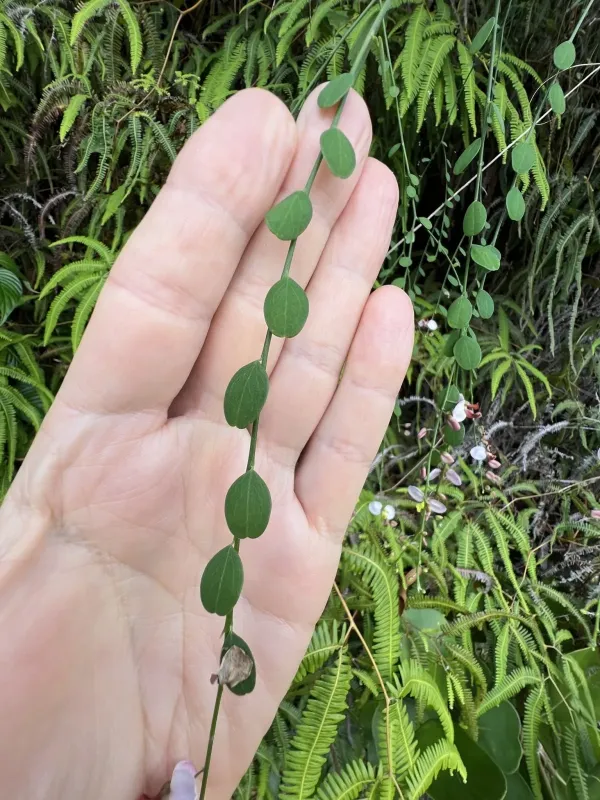
Securidaca virgata is a perennial shrub or small tree belonging to the Polygalaceae family. It is recognized by its distinctively slender, willow-like branches, which give the plant its specific name and unique structural appearance in field conditions.
Native to the tropical regions of the Americas, this species thrives in climates with consistent temperatures and sufficient solar radiation. It prefers well-drained, fertile soil types, typically performing best in sandy loams with a slightly acidic to neutral pH balance.
Agricultural success depends on providing optimal moisture levels. While the plant shows some tolerance to temporary dry spells, consistent irrigation is necessary during the active vegetative growth phase to ensure healthy development and high fiber yield.
Cultivation practices involve regular soil aeration around the root zone and the application of balanced organic fertilizers. Maintenance of proper plant spacing is essential to ensure adequate airflow and prevent the humidity-related problems common in tropical cultivation.
Securidaca virgata is primarily utilized for its fibrous stalks, which have historically served various technical purposes. In contemporary agriculture, researchers are evaluating the plant's potential as a source of bioactive extracts for medical and industrial applications.
Main diseases and pests
The main pathological threats include fungal infections that affect the root system, particularly in soils with poor drainage. Excessive soil moisture leads to hypoxia and root rot, which are often fatal if not managed through proper drainage and site preparation.
Common pests include aphids and mites, which feed on the succulent tips of young branches. Infestations can cause chlorosis and stunted growth; therefore, integrated pest management strategies, including monitoring and biological control, are recommended for large-scale production.