
Securidaca macrocarpa
Securidaca macrocarpa
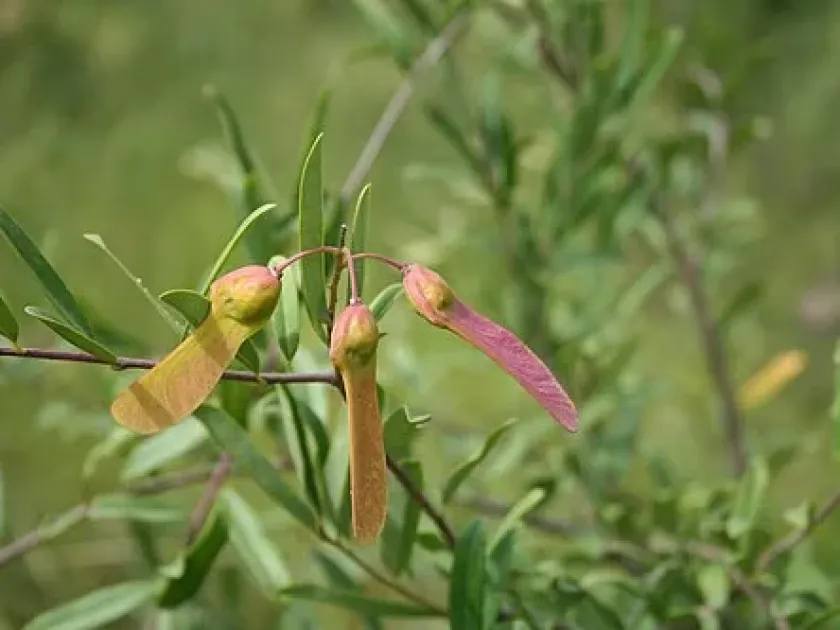
Description
Sowing dates
Securidaca macrocarpa is a member of the Polygalaceae family. In the wild, it propagates primarily through seeds that require high humidity and consistent tropical temperatures to germinate successfully.
Successful industrial cultivation requires the preparation of well-draining, nutrient-rich soil. The ideal sowing period coincides with the beginning of the rainy season, which provides the young seedlings with the essential moisture needed for rapid root development.
Seeds are typically sown at a shallow depth of 2-3 centimeters to prevent rot while ensuring protection from environmental stress. Using seed treatments can improve germination rates due to the natural toughness of the seed coat.
In nursery settings, space between rows should be at least two meters to prevent resource competition. Proper spacing encourages a balanced canopy structure and prevents the buildup of humidity that can lead to disease.
Maintaining a stable temperature between 25-28 degrees Celsius is vital during the germination phase. Exposure to cold temperatures in the early stages can significantly impact the survival rate of the saplings.
Growing requirements
This tropical plant thrives in areas with consistent light and high atmospheric humidity. It is particularly demanding regarding soil quality, preferring deep, well-draining loams with a slightly acidic pH range of 5.5 to 6.5.
Water stagnation is detrimental to the plant, making it essential to have proper soil drainage. The root system is sensitive to low oxygen levels caused by waterlogged conditions, which can lead to rapid decay.
Regular fertilization with organic matter and balanced NPK ratios is recommended during the peak growing season. Nitrogen-rich fertilizers specifically boost the development of foliage and prepare the plant for the flowering stage.
Protection from strong winds is necessary, especially for younger plants with fragile stems. Many plantations use natural windbreaks, such as planting surrounding rows of sturdy shrubbery, to shield the crop.
Securidaca macrocarpa is strictly a frost-sensitive plant. It requires a climate where temperatures do not drop below 10 degrees Celsius, as any exposure to cold stress forces the plant into dormancy or causes permanent tissue damage.
Yield
The primary economic focus for this crop is the extraction of high-quality fatty oils from the seeds. These oils possess unique chemical properties that are highly valued in specialized industries.
Yield capacity matures over time, with the first significant production occurring between the fourth and sixth years. Maximum productivity is usually reached when the trees reach maturity between ages 10 and 15.
Harvesting timing is critical, as seeds must reach full maturity to ensure the quality of the extracted oil. Traditional collection methods often involve gathering fallen seeds, though modern plantations are adopting mechanized harvesting aids.
Post-harvest processing includes immediate drying of the seeds to prevent mold and enzymatic degradation. Properly dried and stored seeds maintain their chemical integrity for significantly longer periods.
The market for the oil produced includes cosmetics and high-end food applications. High oil purity is achieved through consistent harvesting practices and the use of precise cold-pressing extraction methods.
Main diseases and pests
Root-borne fungal diseases represent a major threat, particularly in regions with excess rainfall. These infections typically manifest as chlorosis on the leaves followed by premature fruit drop.
Various insect pests, including aphids and leaf-eating caterpillars, can impact plant vigor. Regular monitoring programs are essential to detect infestation patterns before they affect the entire plantation.
- Application of biological pest control agents to manage aphid populations.
- Consistent weed management to reduce the risk of secondary infections.
- Pruning and removing infested branches to maintain overall plant sanitation.
During prolonged rainy spells, powdery mildew may develop on the leaf surfaces. Applying preventive fungicides based on copper or other approved compounds can mitigate these risks effectively.
Effective pest management should also focus on maintaining healthy ecosystems around the crops to encourage beneficial insects that naturally predate upon the pests affecting Securidaca macrocarpa.