
Yushania boliana
Yushania boliana
Description
Growing requirements
Yushania boliana is a fascinating perennial plant belonging to the Poaceae family. Originating from the mountainous terrains of Southwest China, this bamboo species is highly valued for its elegant stature and structural integrity.
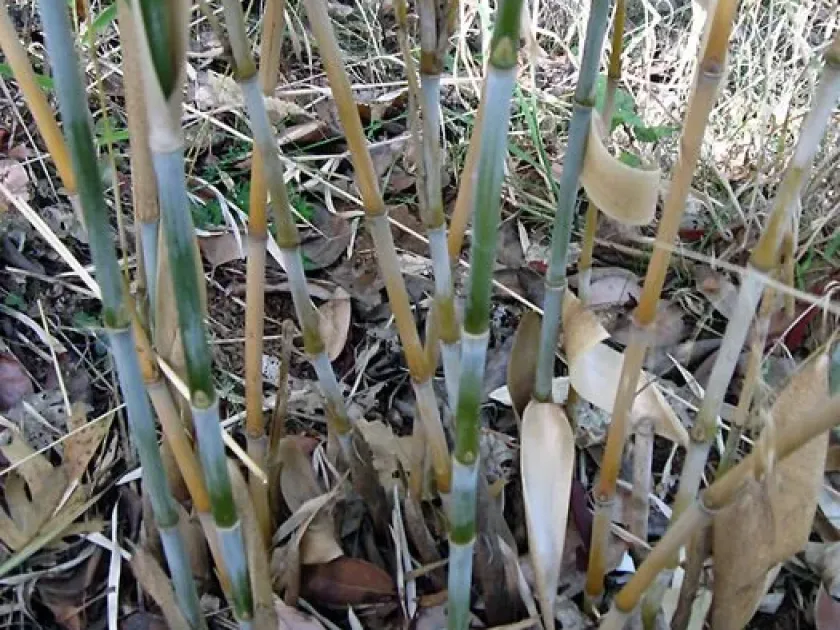
Botanically, it is classified as a clumping bamboo, which makes it less invasive compared to running bamboo species. Its stems are thin, strong, and highly flexible, making the plant visually appealing for landscaping and garden architecture.
The cultural requirements demand fertile, well-draining soils with consistent moisture. It thrives best in cooler climates where the temperature remains moderate, avoiding extreme summer heat or intense frost, which could damage the foliage.
Soil management should include regular additions of organic compost to mimic the natural forest floor conditions of its native habitat. Maintaining a slightly acidic to neutral soil pH is crucial for optimal nutrient uptake.
In terms of agricultural utility, this species is primarily used for ornamental hedges, landscape erosion control, and sustainable raw material production. Its ability to create dense barriers makes it an excellent choice for natural fencing solutions.
Main diseases and pests
Root rot is the most significant threat to the health of Yushania boliana, usually caused by waterlogged soil. To prevent this, ensure that the planting site has a proper drainage system and avoid excessive watering.
Pests such as spider mites and scale insects are common occurrences, especially in low-humidity environments. Regularly misting the bamboo and monitoring for signs of infestation is essential for preserving the aesthetic quality.
Fungal leaf spot diseases can appear during periods of high humidity and poor air circulation. Proper spacing between plants and regular pruning of dead culms will help maintain a healthy airflow within the clump.
During the early establishment phase, plants are susceptible to competition from aggressive weeds. Frequent mulching around the base of the plant helps suppress unwanted vegetation and retains soil moisture.
General maintenance should include the removal of older, yellowing stems to encourage new growth. This stimulates the plant's vitality and ensures that resources are directed toward healthy, productive culms.