
Yushania niittakayamensis
Yushania niittakayamensis
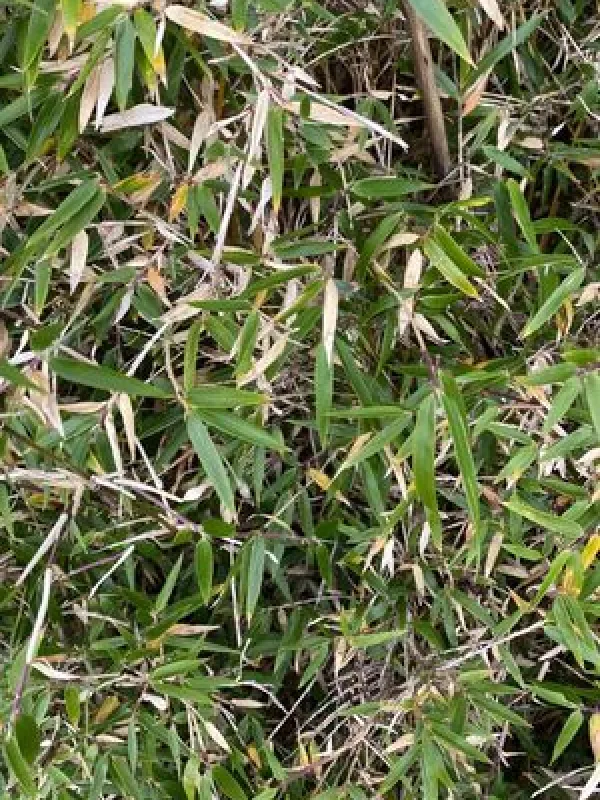
Description
Growing requirements
Yushania niittakayamensis is a perennial herbaceous plant belonging to the Poaceae family, specifically the bamboo subfamily. It is a high-altitude bamboo species that naturally thrives at significant elevations, reaching into the alpine zones of mountain ranges.
This crop is characterized by high resistance to low temperatures and strong winds, which is a direct adaptation to its native environment. Its natural distribution is largely restricted to the mountainous regions of Taiwan, where it forms dense thickets on rocky, slopes.
Soil requirements for successful growth include excellent drainage and moderate soil acidity. The plant is sensitive to waterlogging around its root system, making effective drainage essential in areas with heavy or clay-based soils to prevent root damage.
Regarding climatic conditions, the plant demands high air humidity and moderate temperatures throughout its growing season. While it thrives in well-lit areas, Yushania niittakayamensis can tolerate partial shade, similar to the light levels found in mountain forest clearings.
Agronomic management involves strict monitoring of planting density, as this species features an invasive rhizome root system. Controlled cultivation is necessary to prevent it from spreading uncontrollably beyond designated agricultural areas.
Main diseases and pests
The primary threats to Yushania plantations are fungal diseases that flourish in conditions of high humidity and poor air circulation. These infections typically present as leaf spots or stem lesions that can weaken the plant's structural integrity.
Pest pressures are primarily caused by spider mites and aphids, which often attack young, tender shoots during dry periods. Consistent plant monitoring is vital to detect and manage pest infestations before they spread across the crop.
To mitigate the risk of disease, growers must ensure appropriate spacing between plants during the establishment phase. Overcrowding creates an environment conducive to pathogen accumulation and reduces the plant's overall immunity.
In outdoor cultivation, maintaining moisture balance is crucial, as excessive water around the base can lead to root rot. Fungicide applications should be used cautiously and only as a last resort in cases of severe localized outbreaks.
Additionally, small mammals and rodents may pose a threat during winter months by feeding on the subterranean rhizomes, which can significantly stunt the growth and vitality of the bamboo in the following spring.