
Schizostachyum brachycladum
Schizostachyum brachycladum
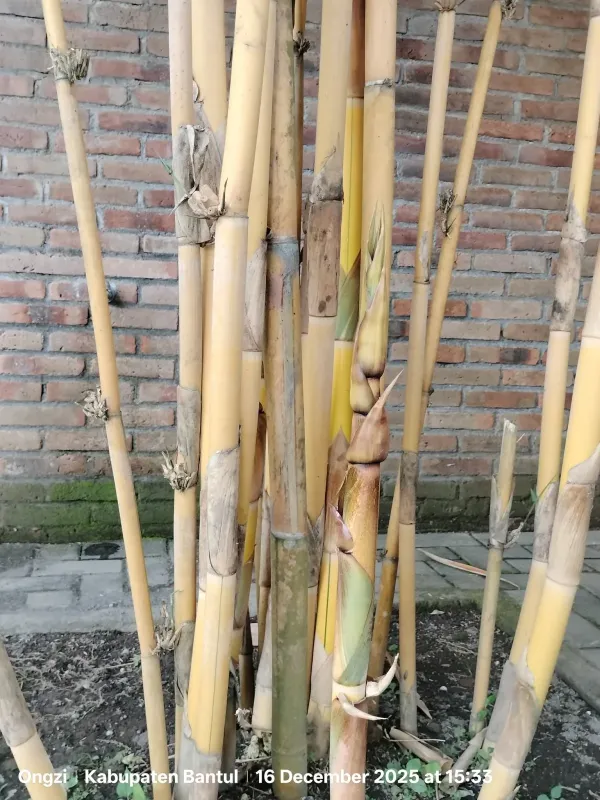
Description
Growing requirements
Schizostachyum brachycladum is a prominent member of the Poaceae family. This tropical clumping bamboo species is highly regarded for its aesthetic value and structural properties, reaching significant heights in optimal environmental conditions.
Native to Southeast Asia, including Indonesia and the Philippines, this species thrives in humid tropical forest environments. It is naturally adapted to areas with high annual rainfall and constant high humidity levels.
The plant requires deep, well-draining, and nutrient-rich soils. While it favors moisture, it cannot tolerate waterlogged conditions, which can lead to root rot and severely hamper the bamboo's vigor and overall health.
Climate requirements strictly involve tropical conditions where temperatures rarely drop below 15 degrees Celsius. It is not frost-hardy and requires full sun to partial shade for consistent growth rates and development of its characteristic stems.
Agricultural management involves regular weeding and the application of organic mulch to maintain soil moisture levels. Since it grows in clumps, thinning out older, non-productive culms is essential to ensure that younger shoots receive adequate light and space.
Harvesting
The primary economic use of Schizostachyum brachycladum lies in the construction sector. Its culms are known for their durability and attractive coloration, making them suitable for interior design, traditional housing, and decorative fencing.
Artisans utilize the bamboo for weaving baskets, furniture making, and creating traditional musical instruments. The physical properties of the bamboo walls allow for intricate carving and shaping, which is highly valued in local craftsmanship.
In various culinary traditions, the young shoots are harvested for human consumption. They provide a crunchy texture and are a staple ingredient, provided they are boiled appropriately to remove natural compounds before consumption.
Harvesting is typically performed on a rotational basis. By selectively removing 3- to 5-year-old culms, producers ensure the long-term sustainability of the clump while maintaining high wood quality for commercial processing.
Beyond material use, the species serves an environmental function by acting as a windbreak and soil stabilizer. Its dense root system effectively binds soil, making it a valuable plant for erosion control in tropical agricultural landscapes.