
Schizostachyum dullooa
Schizostachyum dullooa
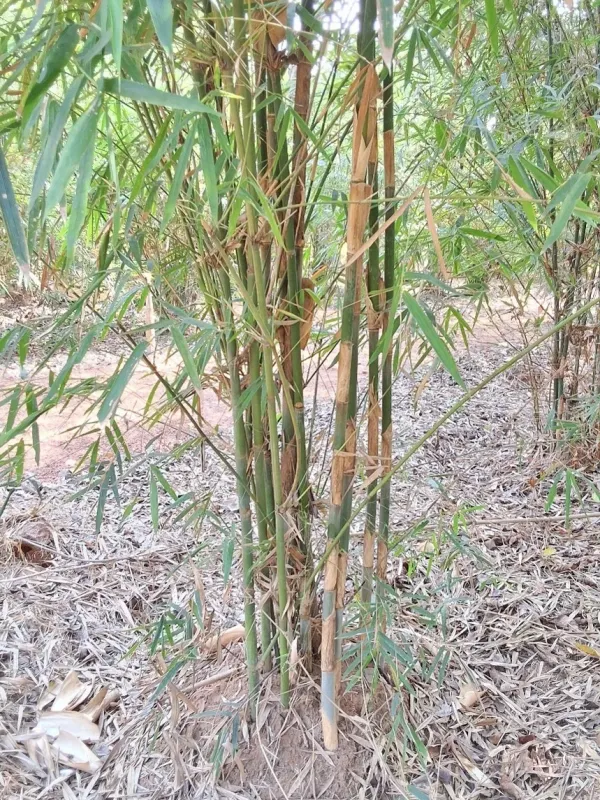
Description
Growing requirements
Schizostachyum dullooa is a perennial bamboo species belonging to the Poaceae family. It is recognized for its slender, thin-walled culms and its ability to thrive in dense, humid forest environments, making it a valuable resource for local communities.
The plant is native to the tropical regions of Southeast Asia. It requires a climate characterized by high annual precipitation and consistent temperatures. It does not tolerate drought or frost, which are limiting factors for its successful outdoor cultivation.
Optimal growth conditions involve well-drained, nutrient-rich soils with a slightly acidic profile. The species is highly adapted to tropical conditions where high humidity and warm temperatures persist throughout the entire year.
Agrotechnical management focuses on soil moisture retention and weed control during the early stages of establishment. Regular application of organic fertilizers significantly improves the culm quality and the total biomass yield per hectare.
Propagation is primarily vegetative, using rhizome cuttings or offsets. This method ensures the genetic uniformity of the plantation and is considered the most efficient way to scale up production in specialized tropical farms.
Main diseases and pests
The crop is susceptible to fungal rots if grown in waterlogged conditions. Additionally, various borers and defoliating insects can cause significant damage to the foliage and stems if not managed with integrated pest control measures.
Harvesting
This bamboo is extensively used in the production of household items, traditional musical instruments, and construction scaffolding. Its mechanical properties allow for weaving and various forms of intricate craft work that require high flexibility.
Harvesting strategies are based on the maturity cycle of the culms. Sustainable management practices imply harvesting only mature stalks, which typically takes about three to five years, to allow the clump to remain productive for several decades.