
Schizostachyum zollingeri
Schizostachyum zollingeri
Description
Growing requirements
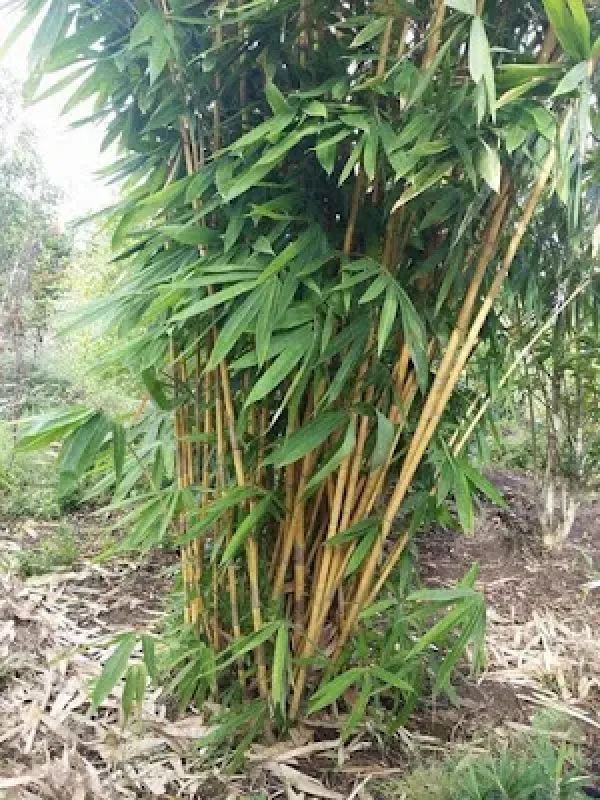
Schizostachyum zollingeri is a notable species within the Poaceae family. As a type of woody bamboo, it is characterized by its slender, hollow stems that grow in dense clumps, providing significant biomass for agricultural and industrial purposes.
Originating from Southeast Asia, specifically Indonesia, this species thrives in tropical climates. Its natural habitat is defined by stable high temperatures and consistent rainfall, which are essential for its vigorous growth cycle.
For successful cultivation, the species requires fertile, well-draining soils rich in organic matter. While it is fond of moisture, soil aeration is crucial to prevent the development of root diseases that can impede the plant's structural development.
Agricultural practices involve maintaining optimal sunlight exposure, as the plant is heliophilic. It performs best in areas protected from strong gale-force winds, which can cause lodging or mechanical damage to the growing culms during the rainy season.
Economically, the plant is highly valued for its versatility. Its culms are widely used in construction, flooring, and the production of specialty fibers for textiles, making it an essential crop for local economies in its native range.
Main diseases and pests
The primary threats to this species include various fungal pathogens, such as leaf blight and stem rust, which proliferate rapidly in high-humidity environments if plantation management is neglected.
Pest management is focused on controlling coleopteran insects and mites that target the internal tissues of the bamboo, often leading to reduced structural integrity and commercial devaluation.
Integrated Pest Management (IPM) strategies are highly recommended, emphasizing the use of natural predators and habitat modification to keep pest populations below economic injury levels.
Sanitation practices, including the regular removal of dead or dying biomass, are critical to reduce the inoculum levels of pathogens that could otherwise infect healthy culms.
Environmental stress, particularly prolonged drought or sudden changes in local humidity, can weaken the plant's immune system, making it more susceptible to opportunistic disease outbreaks.