
Schizostachyum pergracile
Schizostachyum pergracile
Description
Sowing dates
Schizostachyum pergracile is a member of the Poaceae family, specifically the Bambusoideae subfamily. As a perennial plant, it is primarily propagated through vegetative means, such as rhizome division or stem cuttings, due to the rarity and irregular nature of its flowering cycles.
The optimal time for planting is the onset of the rainy season, which provides the necessary moisture for the plants to establish a strong root system. Planting is usually conducted in well-prepared pits amended with organic matter to support early vegetative growth.
Native to the tropical forests of Southeast Asia, including Myanmar and Thailand, this species thrives in humid climates. Its natural distribution is largely defined by regions with consistent temperatures and high rainfall patterns.
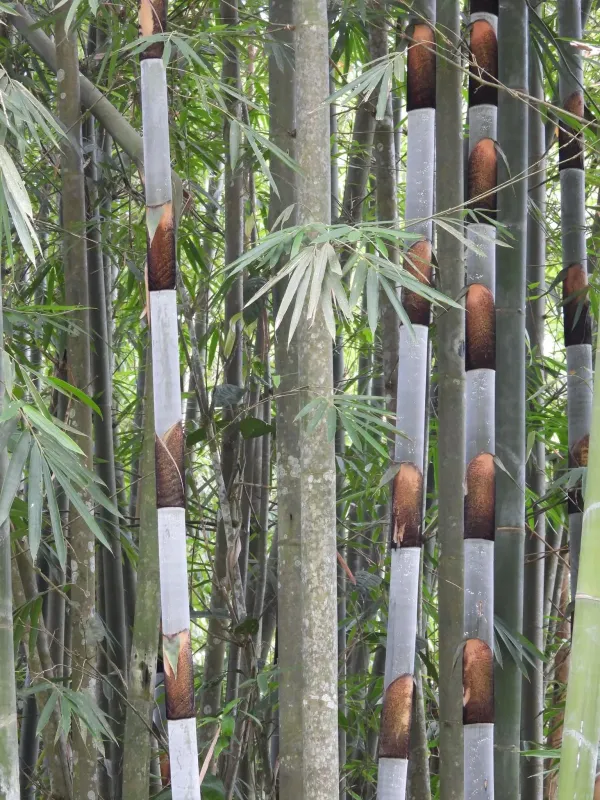
Botanically, it is characterized by tall, erect, and thin stems that can reach heights of 10 to 15 meters. The culms feature prominent nodes and are covered by leaf sheaths with distinctive fine hairs, which are key identification features for the species.
In a cultivation setting, it requires adequate spacing to accommodate its rhizomatous growth. Proper planning of the planting layout ensures that all plants receive sufficient light and air circulation, preventing the overcrowding of mature culms.
Growing requirements
This bamboo species demands high atmospheric humidity, ideally ranging between 70% and 90%. Prolonged dry spells can stunt growth and negatively affect the structural integrity of the culms, making irrigation essential in drier seasons.
Soil requirements focus on well-drained, nutrient-rich substrates, preferably with a neutral to slightly acidic pH. Heavily compacted or waterlogged soils are detrimental to the health of the rhizomes, as they may lead to root rot.
Temperatures should remain stable, preferably between 20°C and 30°C. The plant is sensitive to cold stress, and temperatures falling below 10°C can result in significant physiological damage, potentially causing the death of younger culms.
Exposure to sunlight is crucial for the development of robust, high-quality stems. While young plants may tolerate partial shade, mature clumps require full sun to reach their maximum production potential.
Regular maintenance, including mulching around the base, helps retain soil moisture and suppresses invasive weeds. Balanced fertilization with organic compounds promotes vigorous growth and enhances the plant's resilience to environmental stress.
Yield
The utility of Schizostachyum pergracile is vast, particularly in the construction sector. Its strong, flexible culms are widely used to build scaffolding, framework for lightweight shelters, and interior partitions in tropical architecture.
Craftsmanship and artisanal uses are significant; the bamboo is favored for weaving baskets, mats, and creating furniture. Its ability to be processed while retaining durability makes it a staple material for traditional handicraft production.
In several regions, the young shoots of this species are harvested as a nutritious food source. After being properly cooked to remove natural compounds, they are consumed as vegetables, providing a valuable source of minerals and dietary fiber.
The pulp and paper industry also utilizes this species as a source of high-quality fiber. Its suitability for paper production offers an eco-friendly alternative to wood-based pulp, contributing to sustainable forestry practices.
Ecologically, the plant acts as a vital agent for soil stabilization. Its dense root network protects hillsides and riverbanks from erosion, effectively contributing to the health of the surrounding ecosystem.
Main diseases and pests
Fungal diseases represent the most significant threat to bamboo plantations, especially in humid and dense conditions. Infections such as leaf spots or rhizome rot require immediate sanitary measures to stop the spread.
Pests, particularly wood-boring insects and bamboo mites, can significantly decrease the economic value of the stems. Proactive monitoring and the removal of infested culms are essential strategies for maintaining plantation health.
Rodents often pose a challenge by feeding on the tender shoots of young plants. Protective measures, including physical barriers or eco-friendly repellents, are commonly employed to safeguard the growth of new stands.
Nutritional imbalances caused by poor fertilizer management can weaken the plants, making them more susceptible to pest attacks. Maintaining optimal soil fertility is a key defense mechanism against potential threats.
Effective plantation management relies on regular inspection and early detection of diseases. An integrated approach combining cultural practices and biological monitoring ensures a healthy yield and reduces the need for chemical intervention.