
Scratchgrass
Muhlenbergia asperifolia
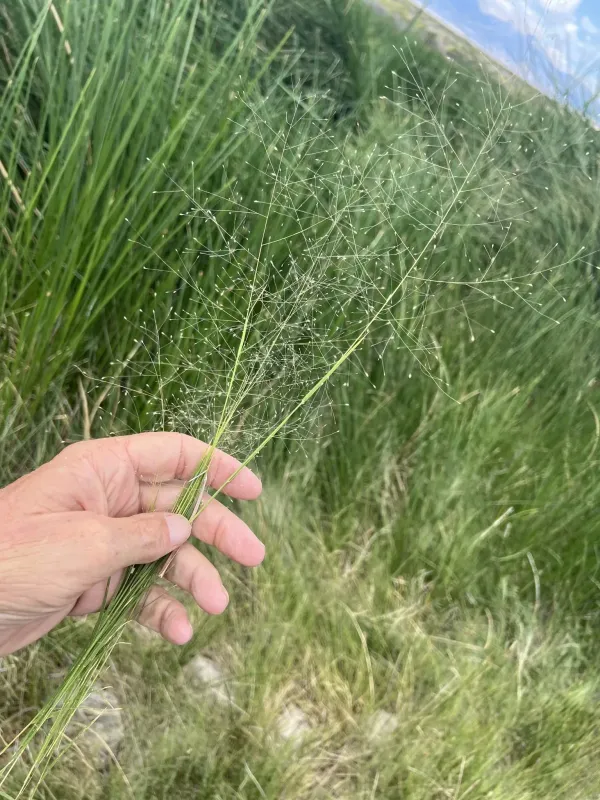
Description
Growing requirements
Scratchgrass (Muhlenbergia asperifolia) is a perennial grass species within the Poaceae family. It is recognized for its rhizomatous growth habit, which allows it to form extensive colonies in its native habitats.
The plant is native to North America, widely distributed in regions ranging from meadows to damp, alkaline, or saline soils. It plays a significant role in stabilizing soil in areas where other species struggle.
Botanically, it features slender, scabrous leaf blades and delicate, spreading panicles. The plant propagates effectively through both seeds and underground rhizomes, aiding its spread in favorable environments.
It thrives in full sun and is particularly noted for its high tolerance to alkaline and salty soil conditions. This makes it a potential candidate for land reclamation projects in degraded areas.
Regarding moisture, it prefers sites where the water table is relatively shallow. While it can withstand periods of drought, consistent moisture levels significantly improve the density and biomass of the grass stands.
Main diseases and pests
The primary threats to Scratchgrass include fungal pathogens that flourish in stagnant, humid environments. Rust and leaf spot diseases can affect plant health if airflow is restricted.
Common grass pests such as aphids and grasshoppers can cause significant damage during the early growth stages. These insects feed on the succulent tissue, potentially reducing overall plant vigor.
Soil compaction serves as a major environmental stressor. It restricts root aeration and water infiltration, which can lead to the decline of rhizome systems and increased susceptibility to decay.
Invasive weed species can outcompete Scratchgrass during the seedling phase. Effective site preparation and selective weeding are essential to ensure the establishment of a healthy crop.
Proper field management, including appropriate stocking rates if used for grazing, is necessary to prevent overgrazing and maintain the ecological balance of the plant population.