
Oxytenanthera abyssinica
Oxytenanthera abyssinica
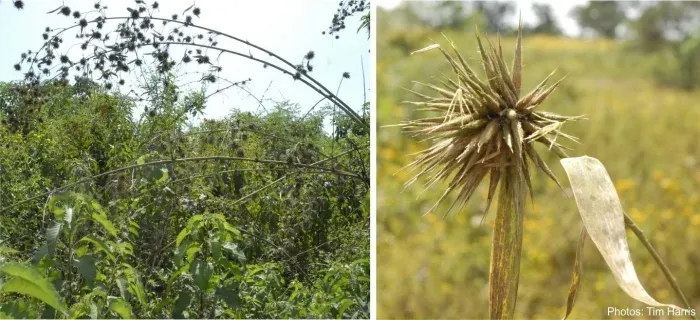
Description
Sowing dates
Oxytenanthera abyssinica is primarily propagated through vegetative methods, such as rhizome division or stem cuttings. Planting is most successful when carried out at the onset of the rainy season, ensuring optimal soil moisture for rapid establishment.
When using seeds, planting should occur in nursery beds using a well-drained substrate immediately after harvesting. Seed viability is relatively short, requiring prompt sowing in a controlled environment with temperatures around 20-25 degrees Celsius.
Seedlings should be transplanted to the field once they reach a height of approximately 30-50 centimeters. Care must be taken to minimize root disturbance during the transfer process to prevent transplant shock and ensure steady growth.
In rural settings, young plantations often require protection from herbivores, leading to the use of temporary fencing. Proper spacing between rows is essential to facilitate adequate air circulation and access for future maintenance operations.
Establishing a new plantation requires consistent irrigation during the first two years until the root systems are fully developed. This foundational period is crucial for the long-term productivity and survival of the bamboo crop.
Growing requirements
This species belongs to the Poaceae family and is a woody, drought-tolerant bamboo native to the tropical savannas and forest regions of Africa. It has adapted to climates characterized by distinct wet and dry seasons, making it a robust choice for tropical agriculture.
Oxytenanthera thrives in well-drained sandy or loamy soils rich in organic matter. While it is known for its ability to withstand temporary water shortages, higher productivity is achieved in environments where soil moisture remains relatively consistent.
Full sunlight is a critical requirement for optimal growth, as the plant is highly light-demanding. In shaded areas, the stems tend to become thin and weak, which significantly reduces the mechanical quality of the harvested wood.
The optimal temperature for development ranges from 22 to 30 degrees Celsius. While it handles heat well, the plant is sensitive to frost, which can kill young shoots and disrupt the growth cycle, limiting its cultivation to warmer climates.
Maintenance includes regular mulching around the base to retain moisture and suppress weeds during the early developmental stages. Providing balanced fertilization supports the vigorous growth of new culms and improves overall plantation health.
Yield
The yield of Oxytenanthera abyssinica is typically measured in dry biomass per hectare. Depending on the age of the stand and management practices, annual yields can reach 10 to 25 tons, providing a sustainable source of raw materials.
The stems are extensively used in construction, furniture manufacturing, and the production of traditional tools. Its inherent strength and durability make it a highly valued resource in local African economies for various infrastructure projects.
In addition to building materials, the plant is suitable for the paper and pulp industry. Its fibrous nature allows for the extraction of high-quality cellulose, while also being commonly converted into high-grade charcoal for household energy needs.
Young shoots are occasionally harvested for food, provided they undergo proper processing to remove bitter compounds. This dual-purpose utility enhances the economic viability of small-scale and large-scale bamboo farming operations.
Selective harvesting of mature culms ensures the long-term sustainability of the plantation. By removing only the oldest stems, farmers can maintain a continuous supply of high-quality material without the need for periodic replanting.
Main diseases and pests
The primary biological threats to this crop include wood-boring beetles that can damage the internal structure of the culms. Regular monitoring and the removal of infested stems are essential practices for effective pest management.
Fungal diseases, such as leaf rust, may occur in high-humidity conditions. Maintaining adequate space between plants and ensuring good air circulation is the most effective preventative measure against these infections.
Small rodents often damage young rhizomes and tender shoots, necessitating the use of physical barriers in nurseries. Keeping the plantation clear of excessive weeds also reduces the habitat for potential pests.
Waterlogging in the soil is a severe threat that leads to root rot and can quickly cause the decline of established clumps. Site selection with adequate drainage is the most critical factor in preventing soil-related pathogens.
Integrated Pest Management (IPM) strategies, which prioritize biological controls and regular field inspections, help maintain healthy stands. Early detection of any pathogen allows for targeted intervention and minimizes overall crop loss.
Harvesting
Harvesting is carried out using sharp hand tools or mechanical cutters, ensuring that the cut is clean and close to the ground. Avoiding damage to the rhizome system is vital for the rapid regeneration of new culms in subsequent seasons.
Post-harvest processing involves air-drying the stems under shaded, well-ventilated conditions for several weeks. This step is crucial to reduce the moisture content and prevent cracking or fungal attacks during storage.
The stems are sorted based on their diameter, length, and straightness to meet different market requirements. Material that does not meet construction standards can be repurposed for fuel, crafts, or agricultural supports.
Storage areas must be kept dry and protected from direct rainfall. Utilizing pallets to lift the bamboo off the ground prevents moisture absorption and maintains the structural integrity of the harvested material for longer periods.
Once harvesting is complete, the field should be cleared of debris to reduce the risk of future pest infestations. Post-harvest maintenance promotes vigorous regrowth and helps prepare the plantation for the upcoming growth cycle.