
Neostapfia colusana
Neostapfia colusana
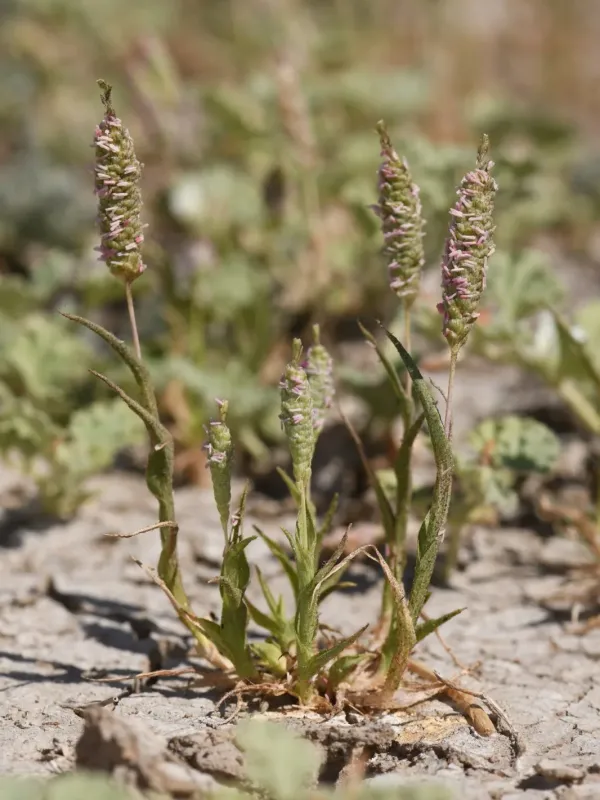
Description
Sowing dates
Neostapfia colusana is not an agricultural crop; therefore, it has no commercial sowing schedule or standardized cultivation protocols.
In its native habitat, the germination process is entirely dependent on the seasonal filling of vernal pools, which usually occurs during winter rainfall.
Research-based propagation requires precise simulation of flooding events to mimic the natural hydrological cycle necessary for seed dormancy breaking.
Seeds are typically planted in specialized clay-based substrates that replicate the low permeability of the soil in California’s vernal pool landscapes.
The timing of plant development is strictly synchronized with environmental cues, making traditional agricultural intervention unnecessary and potentially harmful.
Growing requirements
This species belongs to the Poaceae family and is recognized as a rare endemic plant found specifically in the vernal pools of California.
The plant thrives in sites with an impermeable subsoil layer that traps water, creating shallow temporary ponds during the wet season.
It requires a Mediterranean climate with distinct seasonal patterns: a wet, mild winter and a prolonged, hot, and dry summer period.
Biological success depends on the timing of water recession, as the plant must complete its flowering cycle before the habitat dries out completely.
Soil composition is critical, as the species is adapted to heavy, nutrient-rich clay soils that can withstand prolonged saturation without root rot.
Main diseases and pests
The primary threat to the species is the destruction of its habitat due to land development, urban expansion, and conversion to agricultural fields.
Invasive non-native grasses frequently outcompete this species for light and soil resources, especially in years with altered rainfall patterns.
Hydrological alteration, such as the construction of drainage ditches or changes to local watersheds, can drastically reduce pool duration.
Livestock grazing in and around vernal pools leads to soil compaction and trampling, which destroys the specialized microhabitat needed by the plant.
Climate change poses a significant long-term risk by shortening the duration of seasonal ponding, preventing the plant from completing its life cycle.