
Muhlenbergia uniflora
Muhlenbergia uniflora
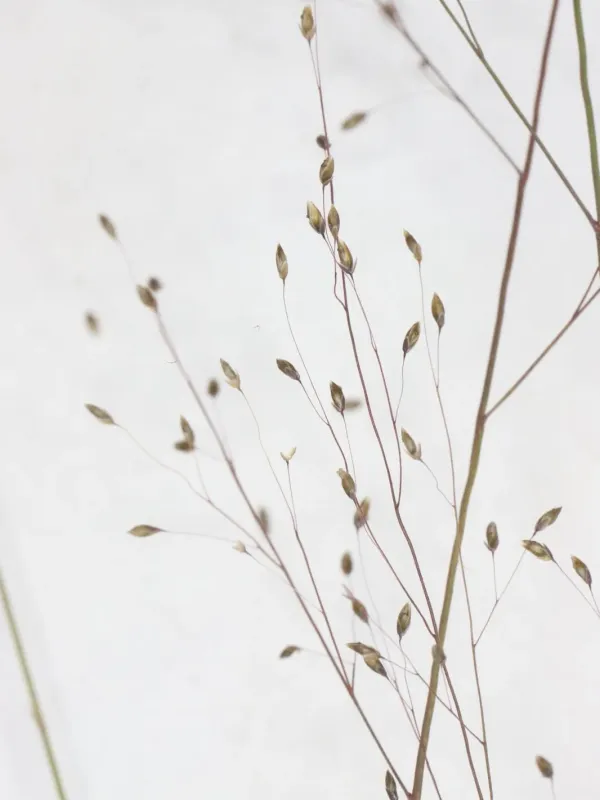
Description
Growing requirements
Muhlenbergia uniflora, commonly known as bog muhly, is a perennial grass species belonging to the Poaceae family. Native to the damp meadows and bogs of North America, it is highly adapted to acidic environments and moisture-rich soils.
This grass thrives in full sun exposure, which is essential for its development. The plant is botanically distinct due to its delicate, hair-like stems and slender inflorescences, which create a fine-textured, cloud-like appearance in the landscape.
Regarding soil requirements, this species demands consistently wet, acidic growing conditions. It does not tolerate prolonged drought or high-pH soils, making it a specialized plant that requires careful site selection for successful cultivation.
The agrotechnical management of this plant focuses on maintaining adequate soil moisture. It is best suited for edges of water features, rain gardens, or areas where natural soil saturation is guaranteed throughout the growing season.
While not a traditional agricultural crop, its ecological value is significant. It serves as a natural ground cover in fragile wetlands and is highly valued in horticulture for its ornamental properties and ability to stabilize moist soils.
Main diseases and pests
The species is remarkably resilient to pests compared to many cultivated cereal grains. However, the primary threat to Muhlenbergia uniflora is the alteration of its hydration cycle, particularly rapid dehydration of the root zone.
Pathogen risks include root rot, which may occur if the soil becomes stagnant or if the plant is exposed to extreme heat without sufficient water circulation. Maintaining a healthy balance of moisture is the best preventative strategy.
Insects rarely cause major damage to this plant. Occasional sightings of aphids are possible during the vegetative stage, but these infestations are typically minor and do not require heavy chemical intervention.
Weed management is a critical aspect of plant health. Competing vegetation can easily crowd out the delicate stalks of the bog muhly, reducing its vigor and impacting its growth structure significantly.
Overall, keeping the plant in its preferred acidic, moist habitat prevents most health issues. Avoiding synthetic fertilizers that raise soil alkalinity is essential for the long-term survival of this species in a garden environment.