
Muhlenbergia uniseta
Muhlenbergia uniseta
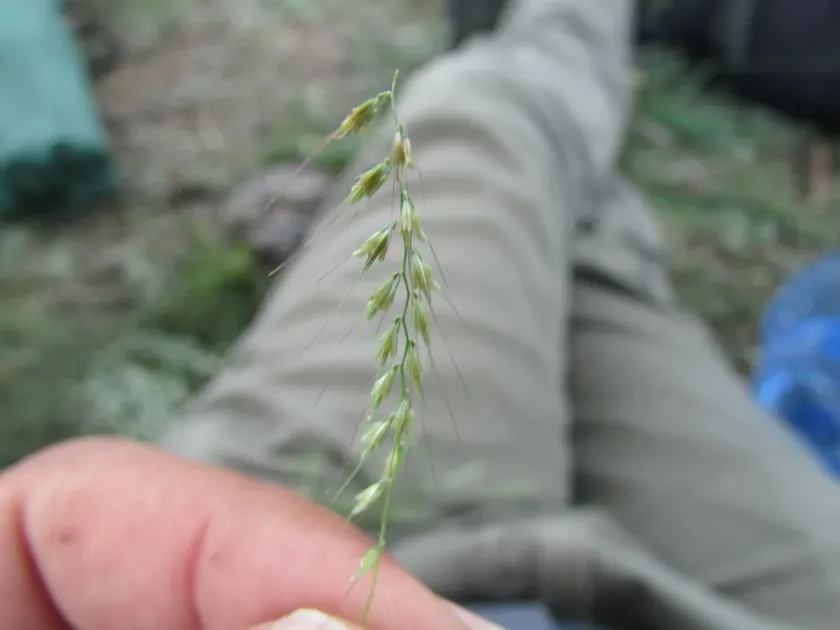
Description
Growing requirements
Muhlenbergia uniseta is a perennial grass species belonging to the Poaceae family. Native to the grasslands of North America, this species is known for its adaptation to semi-arid environments and rocky soil conditions.
Botanically, it forms dense tufts, which contribute to its effectiveness in soil erosion control. The plant possesses a robust root architecture that allows it to maintain vigor under varying moisture levels.
Regarding soil requirements, this species thrives in well-drained soils, ranging from sandy to loamy textures. It shows a high tolerance for nutrient-poor substrates, making it an excellent candidate for land reclamation projects.
Climate adaptability is one of the key strengths of Muhlenbergia uniseta. It demonstrates significant resilience to high temperatures and prolonged periods without rainfall, common in its natural habitat.
In farming, it is utilized primarily for grazing purposes and as a stable cover crop. Its ability to provide ground cover while maintaining forage quality makes it an important asset for sustainable grassland management.
Main diseases and pests
Major threats to this grass include fungal pathogens that thrive in high humidity and poorly drained soils. Root rot can severely compromise the plant's structural integrity if moisture levels are not managed.
Pest pressure often comes from specialized grass-feeding insects and aphids that target the vegetative mass during the peak growth months of spring and summer.
To prevent disease outbreaks, proper spacing and site selection are essential. Avoiding waterlogged areas is the most effective cultural practice to ensure long-term plant health.
Regular inspection of the stands for signs of discoloration or stunted growth is recommended. Early detection of pests allows for localized management before widespread infestations occur.
Integrated pest management strategies are advised, emphasizing the preservation of beneficial insects that naturally predate upon common grass pests in the ecosystem.