
Narenga porphyrocoma
Saccharum narenga
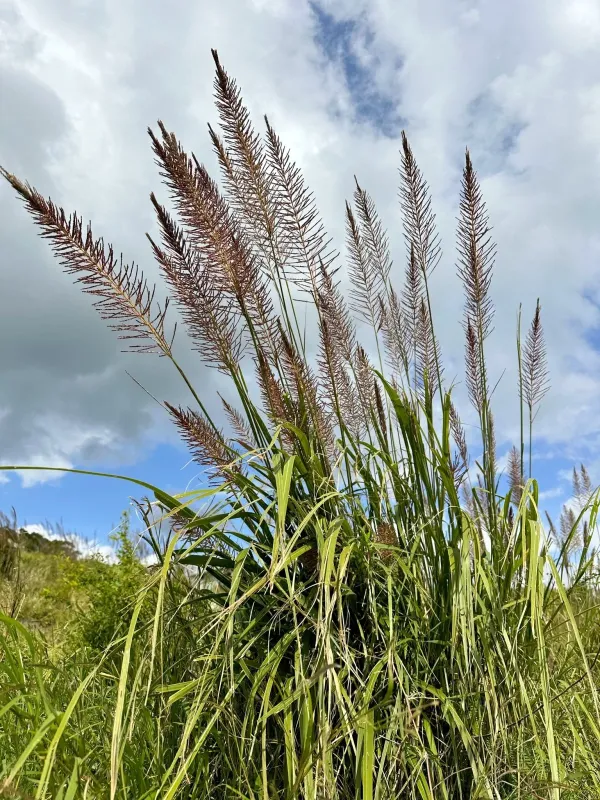
Description
Sowing dates
Narenga porphyrocoma, formerly identified as Saccharum narenga, is a perennial grass species within the Poaceae family. It is known for its robust growth habit and ability to colonize diverse landscapes in tropical and subtropical environments.
Propagation is typically carried out through rhizome division, which ensures genetic consistency and rapid establishment of new plants. Planting should be timed with the onset of the rainy season to provide sufficient moisture for root development.
Soil preparation involves deep plowing to break up compacted layers, facilitating the penetration of the fibrous root system. High-quality soil preparation is essential for the longevity of the plant stand, as it impacts nutrient and water accessibility.
When sowing seeds, surface scattering followed by light raking is recommended, as the seeds are small and sensitive to deep burial. Consistent moisture levels during the germination phase are paramount for successful seedling emergence.
As the plant establishes, it creates a dense cover that effectively suppresses weeds. This feature reduces the need for frequent mechanical weeding once the canopy has fully developed after the initial growing months.
Growing requirements
This crop thrives in open, sunny locations where light exposure is maximized. It requires a significant amount of solar energy to maintain its rapid biomass accumulation and structural integrity of the stems.
Soil preferences lean towards fertile, well-draining alluvial deposits or loamy soils. While it can withstand temporary waterlogging, prolonged stagnant water conditions are detrimental and can lead to root system decay.
Climate-wise, it prefers temperatures ranging from 25 to 32 degrees Celsius. It exhibits high adaptability to seasonal rainfall patterns but performs best with moderate, consistent water availability throughout the main growing season.
Nutrient management is critical for high yields, particularly nitrogen application, which drives vegetative growth. Regular monitoring of leaf color and growth rate helps in adjusting fertilizer schedules to meet the crop's specific needs.
Proper field management includes ensuring adequate spacing between rows to allow for air circulation. This practice prevents the microclimate from becoming overly humid, which is vital for preventing fungal outbreaks within the stand.
Main diseases and pests
Fungal diseases, including leaf rust and various leaf spot pathogens, are common threats, especially during periods of high humidity. Preventive measures include maintaining plant spacing and ensuring good drainage.
Stem-boring insects are significant pests that can impact biomass quality by disrupting nutrient flow within the plant stems. Integrated pest management strategies, such as biological control and timely monitoring, are recommended.
Soil-borne nematodes can impede root health, particularly in degraded or poorly managed soils. Utilizing crop rotation schemes or resting periods for the field can help reduce nematode populations significantly.
Bacterial infections can exploit physical wounds on the stems caused by harvesting equipment. Maintaining sharp, clean tools and sterilizing them between sections is a standard practice to mitigate the spread of these pathogens.
Early detection of damage or discoloration is key to protecting the plantation. Regular field scouting allows growers to identify and address minor pest or disease issues before they escalate into major economic losses.