
Narduroides salzmannii
Narduroides salzmannii
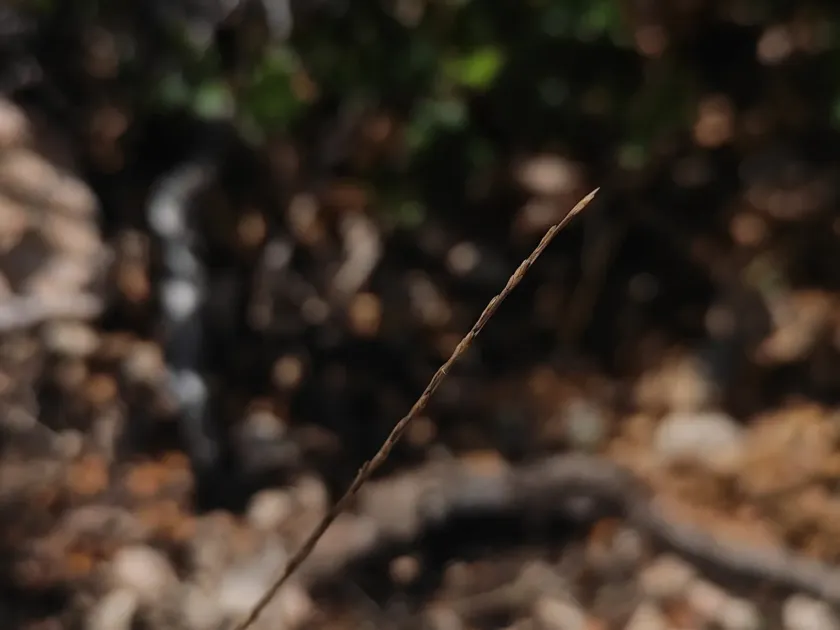
Description
Sowing dates
The sowing window for Narduroides salzmannii is limited to late autumn. This timing allows the seeds to undergo natural vernalization, which is essential for uniform germination in early spring.
Seeds should be sown shallowly, ideally at a depth of 1 centimeter. Due to their small size, deeper sowing significantly reduces the emergence rate and weakens the initial growth of seedlings.
Proper seedbed preparation is vital to ensure optimal soil-to-seed contact. A smooth, compacted surface layer is recommended to prevent the seeds from being buried too deep by irrigation or rainfall.
Seeding rates should be adjusted based on the intended use, whether for cover cropping or biomass production. Calibration of machinery for small-seeded grains is necessary to ensure uniform distribution.
Under favorable weather conditions, seedlings typically emerge within two to three weeks after the first significant autumn rainfalls.
Growing requirements
Narduroides salzmannii is a specialized annual grass belonging to the Poaceae family. It is primarily recognized for its ability to thrive in harsh, resource-limited environments, making it a subject of interest for arid land management.
The crop requires well-drained, sandy, or stony soil conditions to prevent waterlogging. It is highly sensitive to root asphyxiation, which can occur in heavy clay or compacted soil types.
Climatic requirements are strictly Mediterranean, characterized by wet winters and long, hot, dry summers. The plant is evolutionarily adapted to complete its life cycle before the onset of extreme summer droughts.
Nutrient requirements are relatively low compared to commercial cereal crops. It performs best in soils with moderate fertility; excessive nitrogen application can lead to lodging and a decrease in grain quality.
Sunlight is a critical factor for the healthy development of this grass. It requires full sun exposure to maintain its metabolic rate and structural integrity during the rapid growth phase in late spring.
Yield
The yield potential of Narduroides salzmannii is moderate, focusing more on resilience and environmental stability than on maximum biomass production. In good years, it can provide significant early-season fodder.
Seed production requires careful monitoring, as the plant can shed its seeds easily upon reaching full maturity. Timely harvesting is essential to minimize yield losses in the field.
Yield stability is strongly linked to the availability of winter moisture. In years with insufficient winter rain, the biomass yield may be significantly lower, reflecting the plant's stress-response mechanisms.
Nutritional value of the biomass is highest before the flowering stage. Therefore, timing the harvest for forage production is crucial to maximize the protein content for livestock consumption.
Techniques such as controlled grazing or low-intensity mowing can help manage the stand without compromising the seed bank for the following growing season.
Main diseases and pests
Fungal pathogens represent the most significant threat to the crop, particularly under conditions of high humidity and poor air circulation. Leaf rusts are common if the plants are crowded or improperly ventilated.
Insect pests, including aphids and various grass-feeding larvae, can cause substantial damage during the vegetative stage. Integrated pest management strategies should focus on scouting and early intervention.
Environmental stress, such as unseasonably warm winters, can force the plant to bloom prematurely, resulting in reduced biomass and diminished seed set.
Weed competition during the seedling establishment phase is a major challenge. Because the crop grows slowly initially, chemical or mechanical weed control in the autumn is often necessary.
Biotic threats can be mitigated through proper crop rotation. Avoiding consecutive years of planting the same species in the same field helps to break the life cycles of soil-borne pathogens.