
Narrow-leaved sugarcane
Saccharum angustifolium
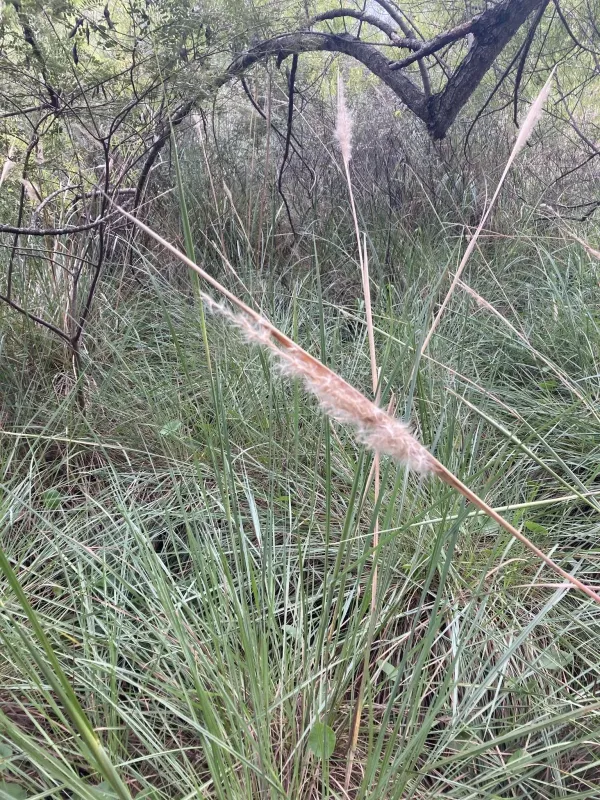
Description
Sowing dates
Narrow-leaved sugarcane is a perennial grass propagated primarily through vegetative cuttings, known as setts. In tropical climates, the optimal planting season usually coincides with the start of the rainy season, which ensures adequate moisture for the establishment of the root system.
Soil temperature is a critical factor for successful propagation; it must be warm enough to encourage rapid sprouting of the nodes on the sugarcane stems. Using high-quality planting material, free from pathogens and pests, is essential for achieving a uniform stand across the field.
Modern agronomic practices involve treating the cuttings with fungicides to protect the developing sprouts from soil-borne diseases. Planting is typically done in furrows, with spacing optimized to ensure that the mature canes have enough space to grow and reach their full potential.
The depth of planting depends on the soil texture, ranging from 5 to 10 centimeters. Proper coverage protects the buds from excessive heat and drying while providing a stable environment for the initial stages of vegetative growth.
Immediately after planting, irrigation is often applied to ensure proper contact between the soil and the cuttings. Consistent moisture levels during the first few weeks are vital to trigger uniform germination and prevent the failure of planting sites.
Growing requirements
As a member of the Poaceae family, this species thrives in tropical environments and has significant requirements for solar radiation and temperature. It is highly efficient at converting sunlight into biomass, provided it has a stable growing season without significant cold stress.
The crop prefers fertile, well-drained soils with a neutral or slightly acidic pH. Waterlogging is detrimental to sugarcane development, as it limits oxygen availability to the roots, leading to physiological stress and an increased risk of root rot pathogens.
Although it is a robust plant, it requires consistent water supply, especially during the active tillering and stem elongation phases. If drought occurs, the growth rate drops significantly, impacting the final sugar content and the overall tonnage of the harvest.
Nutrient management is fundamental to achieving high yields. Nitrogen application is particularly effective for promoting vegetative growth, while phosphorus and potassium are necessary for root development and sugar translocation within the plant tissues.
The selection of the planting site should prioritize areas protected from high winds and potential storm damage. The crop is suited for low-lying tropical regions and coastal plains where the climate remains warm and humid throughout the year.
Yield
The yield potential of this crop is determined by the synergy between genetic potential, soil fertility, and effective management practices. Under optimal tropical conditions, it is capable of producing substantial amounts of biomass per hectare over multiple growing cycles.
Sugar accumulation in the stalks is the key metric of success for sugarcane producers. Farmers monitor the Brix level, or sugar concentration, in the juice to time the harvest accurately, ensuring that the stalks are processed when sugar content is at its peak.
Ratoon cropping, which is the ability of the root system to regrow after harvest, allows farmers to harvest several crops from a single planting. This significantly reduces the cost of annual cultivation, although ratoon yields eventually decline over time due to soil compaction.
- Effective irrigation management.
- Balanced NPK fertilization.
- Strict weed control during the establishment phase.
- Use of disease-resistant varieties.
Innovative harvesting technology and improved agronomy allow for high-efficiency production. Protecting the soil structure by minimizing heavy machinery traffic helps maintain productivity over the lifespan of the plantation, ensuring long-term profitability.
Main diseases and pests
Pest management is a core component of sugarcane agronomy, as several species of stem borers can cause significant economic losses. These insects bore into the stalks, damaging the plant tissue and providing entry points for secondary infections.
Fungal diseases like red rot are serious threats that can compromise the quality of the sugar produced. These diseases thrive in environments with poor air circulation and excessive moisture, making canopy management and field hygiene very important.
Viruses transmitted by insect vectors can cause stunting and leaf discoloration, severely impacting the overall vigor of the crop. Since these diseases are difficult to treat, the main strategy involves preventive measures and the use of certified healthy planting stock.
Integrated pest management (IPM) strategies, which use natural predators and biological controls, are increasingly favored over chemical treatments. This approach helps maintain the ecological balance of the plantation while protecting the crop from major outbreaks.
Weed competition is particularly intense during the first months of growth. Because young sugarcane plants are relatively slow to canopy, early-stage weed control is necessary to prevent them from outcompeting the crop for essential light and nutrients.
Harvesting
Harvesting is a critical operation that requires careful coordination with industrial processing units. Because harvested sugarcane stalks undergo rapid fermentation, they must be transported to the refinery and processed as quickly as possible to prevent sucrose inversion.
Mechanical harvesting is common in large-scale operations, utilizing specialized machines that cut and chop the stalks in a single pass. This improves efficiency and reduces the time between harvesting and processing, which is vital for sugar recovery.
Manual harvesting with machetes remains prevalent in many regions and allows for cleaner cuts at the base of the plant. This method is often preferred for preserving the rootstock, which leads to better ratoon performance in subsequent harvest seasons.
Pre-harvest burning of dry leaves is a traditional method used to clear the field and make the stalks more accessible. While it is efficient for manual labor, it is being phased out in some areas in favor of "green cane" harvesting methods to reduce environmental impacts.
The logistics of the harvest involve a fleet of trucks or trailers that transport the raw material to the sugar mill continuously. This supply chain coordination ensures that the mill operates at optimal capacity and that the harvested stalks do not degrade in the field.