
Purple moor grass
Molinia arundinacea x Molinia caerulea
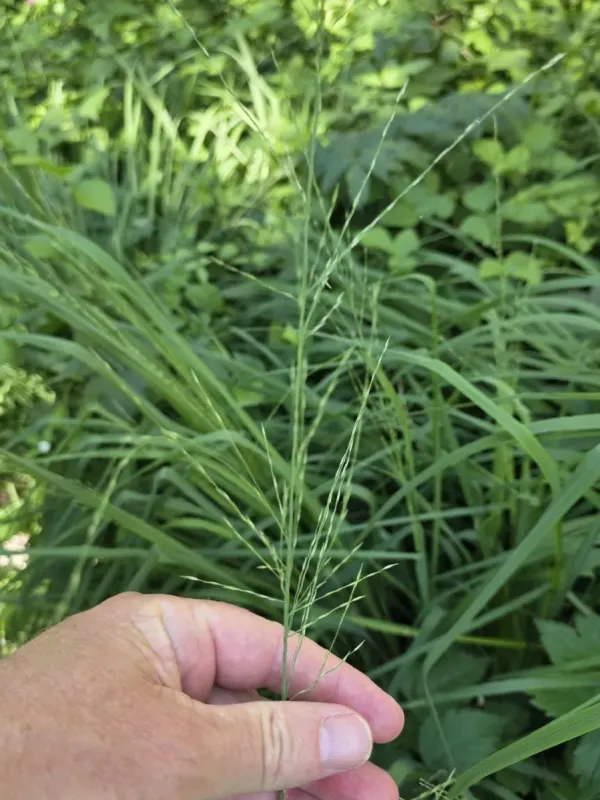
Description
Growing requirements
Molinia arundinacea, commonly known as the tall purple moor grass, is a perennial plant belonging to the Poaceae family. Originating from Eurasia, this grass is typically found in moist woodlands, heathlands, and wetland fringes, thriving in temperate climatic conditions.
For optimal growth, the species requires moist but well-drained, slightly acidic to neutral soils. Unlike many other grasses, it prefers sites that do not dry out completely during the summer, as moisture deficiency significantly hampers its height and floral display.
The cultural requirements include a position in full sun to partial shade. In environments with hot summers, partial shade is preferred to prevent leaf scorch and ensure the longevity of the plant's structural integrity.
Agronomic management involves minimal intervention once established. Propagation is primarily done through division in early spring, which is the most reliable method for maintaining the characteristics of specific cultivars.
The crop is highly valued for its ornamental versatility. Its distinctive tall inflorescences provide vertical interest in landscape designs, making it a staple in naturalistic meadow plantings and large-scale botanical gardens.
Main diseases and pests
Molinia arundinacea is widely recognized for its robust health and general resistance to common pathogens. It is rarely affected by the diseases that typically plague other grass species, provided the drainage is adequate.
Insect pests are generally not an issue for this grass. The sturdy texture of the leaves and stalks discourages most herbivores and insects, eliminating the need for regular chemical control measures.
The most common physiological stress occurs when the plant is exposed to excessive drought or poor drainage. These conditions can cause the plant to weaken, making it vulnerable to secondary infections or winter damage.
Cultural maintenance, such as cutting back the foliage in late winter or early spring, is crucial. This practice removes old growth, prevents the accumulation of debris, and allows for clean, healthy new foliage to emerge.
Due to its resilience, the plant requires very low maintenance and remains a preferred choice for sustainable landscapes where chemical-free management is prioritized.