
Mountain Melic
Melica monticola
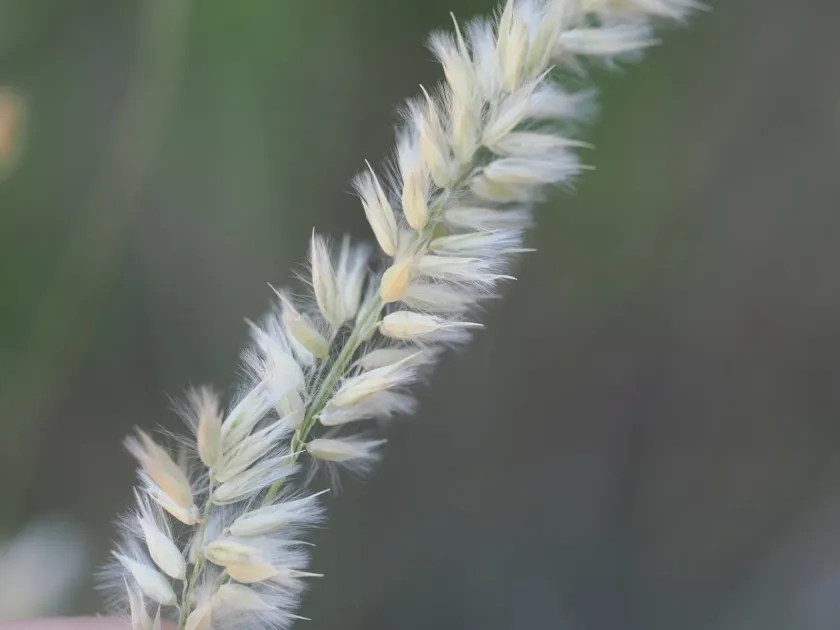
Description
Growing requirements
Mountain Melic (Melica monticola) is a perennial grass species belonging to the Poaceae family. This crop is valued for its hardiness and ability to thrive in challenging upland environments where other forage species might struggle to establish.
The native distribution of this plant includes mountain ranges and highland plateaus. Its evolutionary adaptation to rocky, nutrient-poor substrates allows it to maintain productivity in conditions that are traditionally considered marginal for standard agricultural production.
Regarding soil requirements, Mountain Melic performs best on well-drained, porous soils. It has a preference for neutral to slightly alkaline pH levels and does not tolerate waterlogging, which can easily lead to root rot and loss of plant stand.
This grass is categorized as a heliophilous species, meaning it requires full exposure to sunlight for maximum biomass production. Shading significantly reduces the tiller density, which in turn lowers the overall nutritional value of the harvested material.
The crop is highly cold-hardy, capable of surviving harsh winters with minimal protective cover. Agronomic practices should focus on avoiding early spring grazing to allow the root system to recover and gain strength after the dormant winter period.
Harvesting
Mountain Melic is primarily utilized as a forage crop, suitable for both hay production and grazing. Its ability to provide an early green flush in the spring makes it a valuable asset for livestock farmers operating in mountainous or hilly regions.
The ideal time for harvesting is during the early flowering (anthesis) stage. At this phenological phase, the ratio of protein to structural fiber is at its peak, ensuring that the harvested hay provides sufficient nutrients for ruminant animals.
When used in pasture management, it is recommended to implement a rotational grazing system. This practice allows the plant to replenish its carbohydrate reserves, which is essential for its long-term survival and vigor across multiple growing seasons.
Seed harvesting requires careful monitoring of the seed heads, as they are prone to shattering once fully mature. Mechanical harvesting should be performed when the moisture content of the seeds begins to drop to prevent significant yield losses in the field.
Beyond its utility as forage, Mountain Melic is increasingly recognized for its role in soil conservation. Due to its dense, fibrous root network, it is often planted on slopes to stabilize the ground and protect against heavy rainfall and wind erosion.