
Purple moor grass
Molinia arundinacea Schrank
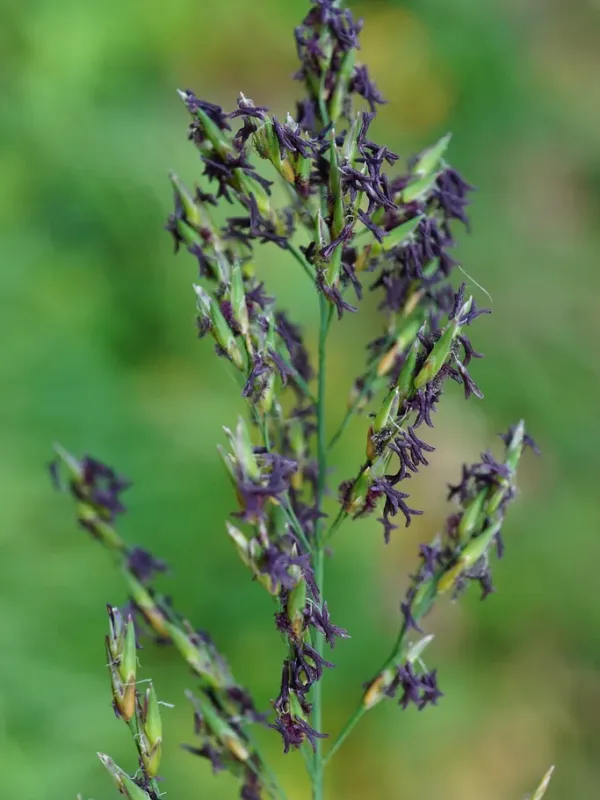
Description
Growing requirements
Purple moor grass (Molinia arundinacea) is a long-lived perennial belonging to the Poaceae family. This species is native to large parts of Europe and Asia, where it thrives in moist meadows, open woods, and damp, nutrient-rich habitats across temperate regions.
The plant performs best in soils that are consistently moist yet well-drained. It prefers slightly acidic to neutral soil conditions and benefits from organic matter enrichment, which supports its vigorous growth and strong, deep-rooting system characteristic of the species.
Regarding climate, this grass is highly adaptable to temperate zones, demonstrating significant winter hardiness. It is well-suited for regions with distinct seasons, as it enters a dormant phase during the winter, protecting its crown from frost and severe cold.
Botanically, Molinia arundinacea is distinguished by its upright, vase-shaped habit. It produces tall, airy flower spikes that rise well above the mound of foliage, creating a graceful, fountain-like effect that adds movement to the landscape.
In terms of practical use, the plant is widely utilized in ornamental horticulture and landscape design. Due to its architectural beauty and low-maintenance nature, it is a staple in prairie-style plantings, gravel gardens, and large-scale public green space projects.
Main diseases and pests
One of the key advantages of growing purple moor grass is its high resistance to common pests and diseases. Unlike many other ornamental grasses, it is not prone to significant damage, provided that its basic environmental needs are met throughout the season.
Fungal diseases, such as leaf spot or rust, can occasionally occur if air circulation is poor or if the plants are situated in areas with stagnant water. Maintaining proper spacing between specimens is the most effective preventative measure against such issues.
While some generalist insects like aphids might appear during warm, dry spells, they rarely reach populations capable of compromising the health of the plant. Typically, no chemical intervention is required to manage these minor occurrences.
Cultural management is essential to minimize threat risks. This includes removing old, withered foliage in early spring before new growth appears. This practice eliminates any potential overwintering sites for pathogens and keeps the clump healthy.
Ultimately, Molinia arundinacea is a highly resilient and healthy plant. By providing well-drained soil and ensuring enough sunlight, growers can avoid almost all common health-related issues associated with this species.