
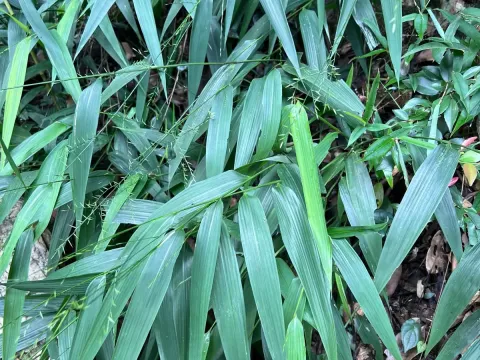
Lophatherum
Lophatherum
Lophatherum sowing on a commercial scale is typically carried out using seeds in the spring when the soil warms up to a temperature of 15–18 degrees Celsius. It is important to ensure high-quality stratification of the seed material to increase the germination rate, as wild forms have a long dormancy period.
What the section contains

Lophatherum
The optimal sowing depth is 1–2 centimeters, which prevents the embryo from drying out and provides stable oxygen access. Sowing is conducted in rows with inter-row spacing of up to 40–50 centimeters to facilitate subsequent maintenance of the young plants.
In regions with temperate climates, the seedling method is preferred so that the crop has enough time to accumulate vegetative mass before the onset of autumn cooling. Pricking out seedlings into open ground is done when plants reach a height of 10–15 centimeters.
Planting density should be about 20–25 plants per square meter, which provides sufficient feeding area and prevents the development of fungal diseases due to excessive humidity.
Sowing can also be performed by rhizome division in early spring, which significantly accelerates the process of obtaining commercial biomass compared to seed propagation.
Lophatherum is a perennial herbaceous plant of the Poaceae family that prefers shaded forest areas and moist mountain slopes in its natural habitat. The crop demonstrates high requirements for soil moisture levels and light intensity, poorly tolerating direct midday sun.
Soils for cultivation should be loose, rich in organic matter, and have a slightly acidic or neutral pH. Loamy soils with good drainage, preventing water stagnation near the roots, are ideal.
The crop is heat-loving, so the optimal temperature range for active growth is between 20 and 28 degrees. When temperatures drop below 5 degrees, vegetation slows down, and in freezing conditions, the above-ground part dies back completely.
During cultivation, regular irrigation is necessary, especially during dry periods. The plant responds well to nitrogen fertilizers in the first half of the growing season, which stimulates leaf mass growth.
An important aspect is providing protection from strong winds that can damage the plant's fragile stems, which resemble bamboo shoots in their structure.
The economic value of Lophatherum lies in harvesting the above-ground parts (stems and leaves), which are used in pharmacology and the food industry. Productivity depends on the intensity of agronomic practices and soil fertility.
The average yield of dry biomass in commercial plantations ranges from 1.5 to 3 tons per hectare when cultivation technology is followed. The highest yields are achieved in the third or fourth year of the plantation's life.
Harvesting is conducted during the active flowering phase, as the concentration of biologically active substances — flavonoids and polysaccharides — in the plant tissues reaches its peak at this time.
To increase the yield of high-quality raw materials, regular feeding with complex mineral fertilizers, dominated by potassium, is practiced to strengthen cell walls and increase plant immunity.
Proper drying of the collected material in the shade with good ventilation allows for the preservation of the plant's beneficial properties, which directly impacts the commercial value of the final product.
The main threat to Lophatherum is fungal diseases that develop when humidity levels are disrupted and air circulation is poor. Specifically, powdery mildew can attack the leaves, covering them with a characteristic white coating.
Root rot is a serious threat during excessive soil saturation. To combat this, systemic fungicides are used, and the drainage properties of the plot are improved.
Among pests, aphids and spider mites cause the most damage, sucking juices from young leaves, causing deformation and slowing the overall development of the crop.
For pest control, it is recommended to use biological products based on entomopathogenic fungi or herbal infusions, minimizing the use of harsh chemicals due to the medicinal purpose of the crop.
- Disease prevention includes crop rotation.
- Regular weeding prevents competition from weeds for moisture.
- Timely sanitary pruning removes infected shoots.
- Monitoring the plantation state is performed weekly.
Harvesting of Lophatherum is carried out manually or mechanically, depending on the plantation area. In industrial conditions, harvesters adjusted to a cutting height of 5–10 centimeters from the soil surface are used.
It is important to harvest in dry weather to prevent raw material rot during transport. Moisture remaining on the leaves significantly reduces the quality of the final product and triggers mold development.
After harvesting, the material must be sent immediately to drying facilities. Using artificial drying at temperatures no higher than 45 degrees allows for faster processing while maintaining the leaf color and aroma.
The collected material is sorted to remove impurities, weeds, and damaged parts, meeting quality standards for pharmaceutical raw materials.
Rhizomes, if they are not the target of harvesting, are left in the soil for the subsequent regeneration of the plantation the following year, with mounding performed before winter.