
Luziola subintegra
Luziola subintegra
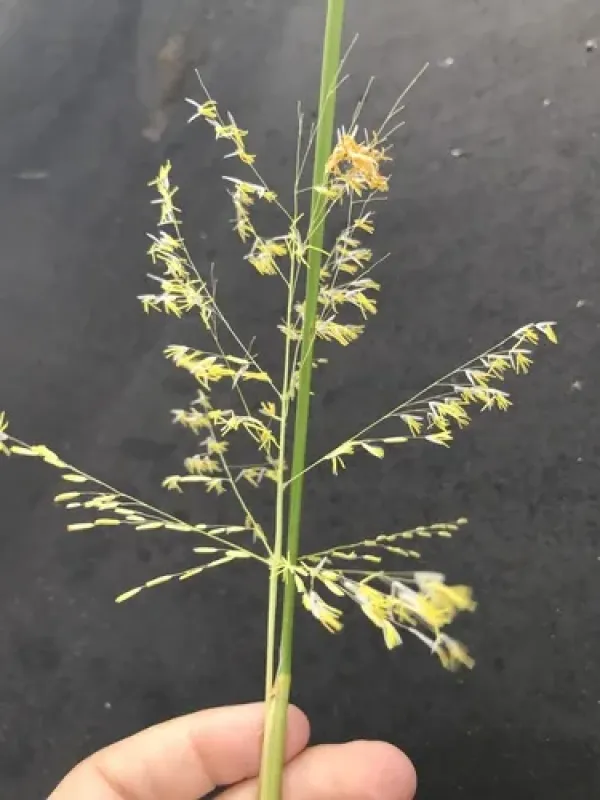
Description
Growing requirements
Luziola subintegra is a perennial grass species belonging to the Poaceae family. It is a highly specialized plant adapted to living in aquatic and semi-aquatic habitats, sharing many biological traits with wild rice relatives.
The natural range of this crop includes the tropical and subtropical zones of Central and South America. It typically inhabits riverbanks, marshes, and areas that experience seasonal flooding, where it thrives in moist soils.
Botanically, the plant is characterized by creeping stems and narrow leaves, which allow it to form dense mats. Its root system is specifically adapted for gas exchange under anaerobic conditions, allowing it to survive in submerged or waterlogged environments.
The climate requirements include high average temperatures throughout the year and a constant supply of water. The plant is sensitive to drought, and its growth is significantly reduced when soil moisture levels drop below the required threshold.
In agriculture, the primary use of this plant is as a forage source for livestock in wetlands. Due to its resilience in water, it serves as a reliable food source in flooded grasslands where other forage species fail to establish.
Main diseases and pests
The crop is susceptible to various fungal pathogens that flourish in humid, stagnant conditions, particularly those causing leaf spots and blight. These diseases can proliferate rapidly if plant density is too high.
Common insect pests include species that affect aquatic grasses, such as stem borers and various sucking insects that exploit the plant's succulent tissues during the peak growth season.
Management of pests and diseases is challenged by the aquatic nature of the plant, which limits the use of conventional pesticides to prevent environmental contamination of the surrounding water bodies.
Integrated pest management strategies are often focused on maintaining optimal spacing between plants to ensure adequate ventilation and sunlight penetration to the base of the stems.
Monitoring programs are essential to detect early signs of infestation, ensuring that interventions are targeted and minimize the need for broad-spectrum chemical applications.