
Giant speargrass
Heteropogon triticeus
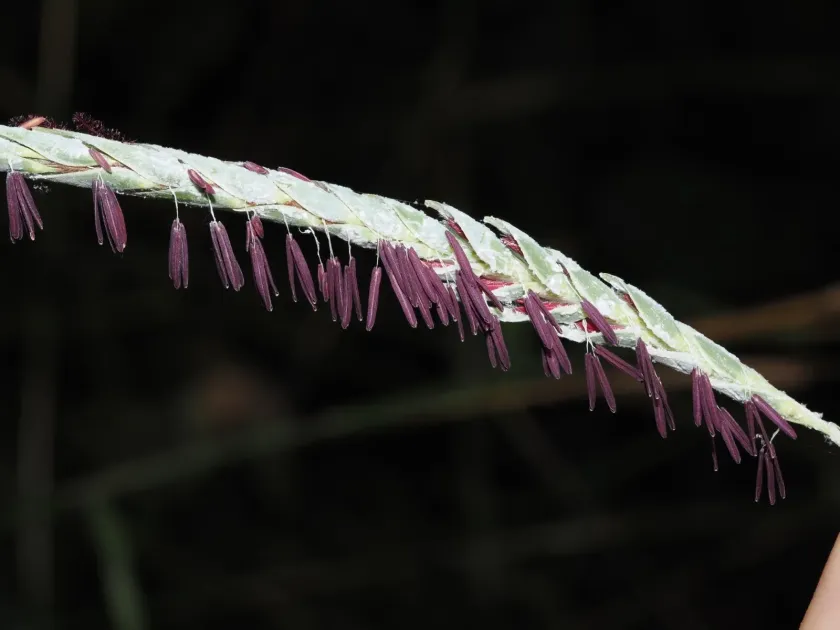
Description
Growing requirements
Giant speargrass (Heteropogon triticeus) is a perennial grass belonging to the Poaceae family. It is recognized for its robust growth habit and ability to thrive in tropical and subtropical climates, making it a significant species in grassland ecosystems.
The plant originates from regions in Asia and Australia, where it is commonly found in savannahs and open woodlands. It is highly adapted to environments that experience distinct wet and dry seasons, exhibiting strong drought tolerance.
Regarding soil requirements, this grass prefers well-drained soils ranging from sandy to loamy textures. It shows a degree of tolerance for lower soil fertility, although its biomass production is significantly improved with optimal nutrient availability.
The botanical structure of Heteropogon triticeus includes characteristic spikelets with awns, which aid in the dispersal of seeds. These features provide evolutionary advantages in wild settings, ensuring the grass can colonize new areas effectively.
In agricultural settings, Giant speargrass is utilized primarily as a forage crop for grazing livestock. It provides a reliable source of greenery, especially in regions where other fodder options might be limited during harsher climatic phases.
Main diseases and pests
The crop is susceptible to various fungal pathogens, particularly those that thrive during high humidity levels. Rust diseases can affect the leaf surface, which may decrease the overall palatability and nutritional profile for grazing animals.
Insect pests, including aphids and various grass-feeding larvae, pose a threat to the vegetative parts of the plant. Significant infestations can stunt growth and reduce the plant's ability to recover from grazing or mowing.
Weed competition is a primary concern during the establishment phase of the crop. Without proper management, opportunistic plants can outcompete the grass, leading to reduced stand density and long-term productivity loss.
Overgrazing remains the most critical threat to the longevity of a Giant speargrass pasture. Excessive livestock pressure compacts the soil and depletes the plant's energy reserves, leaving it vulnerable to environmental stress and disease.
Integrated pest management strategies are recommended to maintain healthy stands. This includes monitoring for early signs of infection and practicing rotational grazing to give the grass sufficient time to rejuvenate and strengthen its root system.