
Gigantochloa apus
Gigantochloa apus (Schult. & Schult. f.) Kurz ex Munro
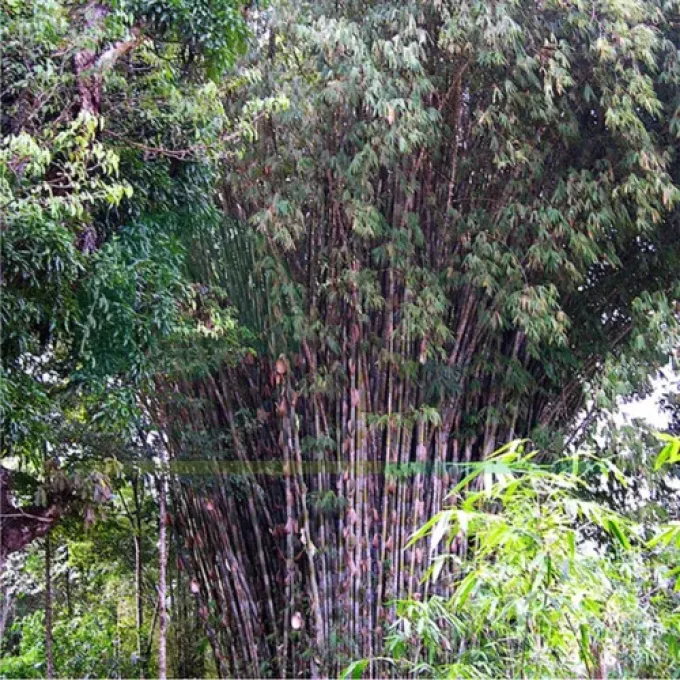
Description
Sowing dates
Gigantochloa apus is predominantly propagated through vegetative methods, as sexual reproduction via seeds is less reliable and slower. Division of rhizomes or stem cuttings is the standard practice for establishing new plantations.
The optimal time for planting is the beginning of the rainy season, which provides the necessary moisture for the rapid establishment of the root system. Proper hydration during the initial weeks is critical for survival.
Selecting healthy parent material from 2-3 year old clumps ensures strong growth potential. Each cutting should contain viable buds and sufficient root biomass to initiate new shoot development effectively.
Planting density is adjusted based on the intended use of the bamboo, typically ranging from 200 to 400 clumps per hectare. Sufficient spacing is essential to facilitate maintenance and mechanical harvesting operations.
Initial weed management is vital during the first two years. Young bamboo plants are susceptible to competition from fast-growing weeds, which can significantly stunt their growth and establishment.
Growing requirements
As a member of the Poaceae family, Gigantochloa apus is a robust tropical bamboo that thrives in hot and humid climates. It requires average annual temperatures between 20°C and 30°C to maintain vigorous metabolism.
The crop prefers well-drained, fertile soils with high organic matter content. It is intolerant of waterlogged conditions, making well-drained slopes or elevated terrain the best sites for commercial production.
Ideal soil pH for this bamboo species ranges from 5.5 to 7.0. Soils with better aeration support stronger rhizome expansion and, consequently, more robust pole production over time.
High light exposure is required for optimal biomass production. While young shoots might tolerate partial shade, mature clumps require full sunlight to achieve the structural density needed for high-quality timber.
Consistent rainfall is necessary for sustainable growth. In regions with marked dry seasons, supplemental irrigation systems such as drip lines are essential to prevent premature lignification and growth arrest.
Yield
Plantations typically reach full maturity and peak yield between 6 and 8 years after planting. Sustainable management can result in a steady annual harvest of 15-20 tonnes of timber per hectare.
Yield is directly dependent on consistent selective harvesting. Regularly removing older culms encourages the emergence of new, healthy shoots from the rhizome system, ensuring a continuous supply of material.
This species is highly valued for its structural strength and flexibility, making it a primary choice for construction, furniture manufacturing, and artisanal handicrafts in its native tropical regions.
The culms of Gigantochloa apus are particularly resistant to splitting, which adds to their value for producing durable building components and architectural elements that require structural integrity.
- High tensile strength.
- Excellent material for structural bamboo building.
- Rapid renewable biomass source.
Main diseases and pests
Pest pressures include various species of bamboo borers and weevils that target young culms. These insects can compromise the structural integrity of the stems and provide entry points for fungal pathogens.
Fungal diseases, such as leaf spot and various rots, are common in poorly managed, overcrowded plantations where air circulation is restricted. Proper spacing and thinning help mitigate these risks.
Nutritional deficiencies can weaken the plant, making it more susceptible to environmental stressors and secondary pests. Regular soil analysis and appropriate fertilization are recommended for healthy growth.
Integrated pest management (IPM) strategies, including biological controls and regular field monitoring, are preferred over chemical pesticides to maintain the ecological balance of the plantation.
Sanitation practices, such as the removal of dead culms and debris, are crucial to prevent the build-up of insect populations and fungal spores that threaten the health of the entire crop.
Harvesting
Harvesting begins once the plantation reaches a sufficient maturity, typically after 3-4 years. Only culms of appropriate age (2-4 years) should be harvested to ensure the best mechanical properties.
Cutting should be performed with sharp tools to avoid damaging the base of the clump. Stems should be cut as close to the ground as possible to allow the plant to focus energy on new shoot production.
Post-harvest treatment is essential, involving drying or preservative soaking to enhance durability. This process prevents degradation and increases the resistance of the material to environmental damage.
Harvesting should be done during the dry season when moisture content in the culms is naturally lower, which simplifies the drying process and reduces the risk of post-harvest fungal growth.
Strategic harvesting helps maintain the health of the clump by regulating the density of the bamboo poles, ensuring that sunlight reaches the inner parts of the clump to promote vigorous new growth.