
Glacier fescue
Festuca glacialis
Description
Growing requirements
Glacier fescue (Festuca glacialis) belongs to the grass family Poaceae. It is a perennial herbaceous plant native to high-altitude regions, specifically the Alps and the Pyrenees.
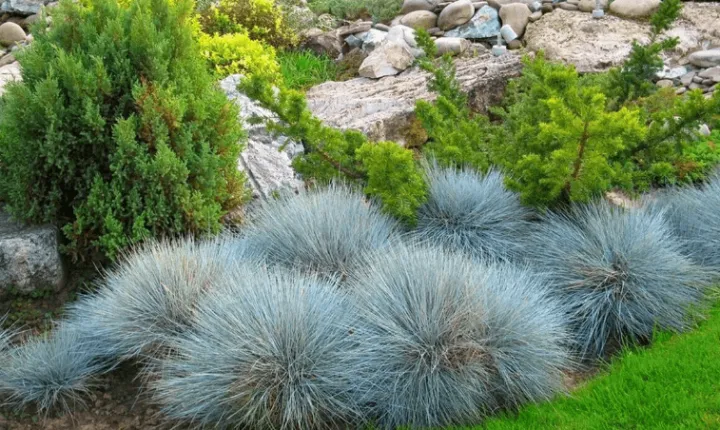
The plant is characterized by its compact, cushion-like growth habit. Its leaves are thin, stiff, and typically feature a glaucous blue-green color, making it a highly attractive choice for rock gardens and borders.
This species requires full sun exposure to thrive. In shaded environments, the plant loses its dense structure, becomes sparse, and loses its aesthetic appeal, often failing to survive in the long term.
The ideal soil for Festuca glacialis is gritty, poor, and exceptionally well-draining. It is sensitive to waterlogged conditions, which can lead to rapid decay of the root system.
As an alpine species, it exhibits excellent winter hardiness and is capable of surviving harsh mountain climates, provided the soil drainage is sufficient during the wet dormant season.
Main diseases and pests
The primary threat to the health of Glacier fescue is root rot, which is almost always caused by excessive soil moisture or poorly drained substrates.
Rust fungi can occasionally affect the foliage, especially in areas with high humidity or poor air circulation, resulting in brown or orange lesions on the leaves.
Pests are relatively uncommon for this species, though grass aphids or spider mites may occur during periods of prolonged drought in container-grown plants.
To prevent disease outbreaks, it is crucial to avoid overhead irrigation and ensure the crown of the plant stays dry, especially during colder months.
Proper maintenance, including the removal of dead foliage in the early spring, helps improve overall air movement and keeps the plant vigorous and healthy.