
Glyceria pedicellata
Glyceria pedicellata
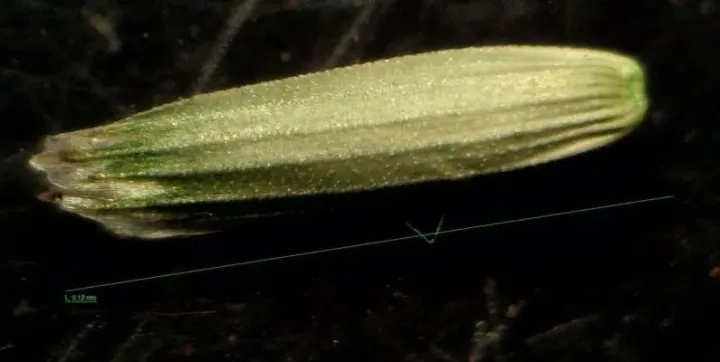
Description
Sowing dates
Glyceria pedicellata is a perennial grass species belonging to the Poaceae family. It is recognized for its hybrid origin and specialized adaptation to wetland environments, making it a key species for managing low-lying agricultural areas.
Propagation is primarily achieved through vegetative growth via stolons, which allow the plant to spread rapidly across mudflats and saturated soil surfaces. This makes it highly efficient for establishing permanent cover in wetland ecosystems.
Seed-based sowing is less common but can be performed in early spring when temperatures allow for germination. Seeds require light and contact with moist, fine-textured soil to successfully establish a root system.
To optimize sowing results, growers often use surface-level seeding techniques that prevent the seeds from being buried too deeply, which is critical given their small physical size.
Proper water management following the sowing period is vital. Consistent moisture levels must be maintained until the plants are fully established and capable of tolerating fluctuating water tables.
Growing requirements
The primary requirement for successful growth of this species is constant soil moisture. It is a true hydrophyte that thrives in areas with seasonal flooding, river floodplains, and poorly drained meadows.
The plant demonstrates remarkable tolerance to prolonged submersion, allowing it to survive in conditions that would cause the decay of most traditional forage grasses. It is highly adapted to anaerobic conditions common in silt and peat soils.
Soil fertility requirements include a preference for nutrient-rich, organic-matter-heavy substrates. It grows best in neutral to slightly acidic soils where the availability of nitrogen and phosphorus is consistent.
Climatic requirements are centered on moderate temperature ranges. While it is hardy in colder climates, excessive heat during the summer months can reduce biomass production unless high water levels are maintained.
Regarding light exposure, the species is relatively flexible. While it achieves peak productivity in full sun, it remains highly competitive in semi-shaded riparian corridors, showing resilience against light reduction.
Yield
Glyceria pedicellata is highly valued as a high-quality forage grass. Its biomass is nutritious, containing a balanced profile of sugars and proteins that livestock readily consume when grazing in wet pastures.
Yield capacity is largely determined by the depth and duration of soil saturation. Under optimal moisture regimes, the plant produces a dense and lush sward that provides significant nutritional density for cattle.
The crop is particularly beneficial in the early spring season, providing green forage during times when other meadow grasses are not yet fully active or when fields are still saturated from winter runoff.
Beyond forage value, the plant's high root density contributes to soil stability, effectively preventing erosion in riparian zones and enhancing the overall productivity of low-lying farmland.
Management of the yield is focused on rotational grazing or timely cutting. Careful monitoring of the plant maturity ensures that the forage remains palatable and nutrient-dense before the flowering stage.
Main diseases and pests
Common agricultural threats to the species include fungal infections such as rust and leaf spot, which are exacerbated by high humidity levels and limited air circulation in dense stands.
Pests such as grass-feeding insects and larvae can impact the development of vegetative stalks. Although the plant is resilient, severe infestations can stunt growth and reduce the overall biomass quality.
Overgrazing poses a significant risk to stand longevity. If livestock are permitted to graze too heavily without periods of rest, the plant's root system can be damaged, leading to the encroachment of invasive weed species.
Biotic stressors are typically managed by ensuring adequate plant vitality through moisture control and appropriate cutting cycles, which help keep the plant in a vigorous state.
Environmental threats such as extreme drought are the most significant limiting factors, as the species lacks the mechanisms to survive prolonged soil desiccation compared to upland forage varieties.
Harvesting
Harvesting for green fodder should ideally occur before the onset of the flowering phase. At this stage, the plant tissue is at its peak of protein concentration and remains highly digestible for livestock.
Hay production requires special attention to drying processes. Because the plant is native to moist environments, its stalks retain high water content, necessitating mechanical conditioning and effective ventilation.
Pasture management involving rotational grazing is the most effective method for utilizing the species. This approach allows the grass to recover its biomass and replenish nutrient reserves in the stolons.
Seed harvesting requires precise timing. Growers must monitor for the ripening phase, as the seeds shatter very easily once they reach maturity, leading to significant yield losses if not gathered promptly.
For large-scale operations, machinery with low ground pressure is mandatory to protect the delicate wetland substrate and prevent deep rutting or soil compaction during harvest operations.